Trump Reverses Course on Middle East Tech Policy, but Will It Be Enough to Counter China?

Former President Donald Trump’s recent policy shift concerning the Middle East’s technological landscape has raised numerous questions about the efficacy of such changes in countering China’s growing influence. His administration’s new approach focuses on fostering stronger economic relationships with key allies in the region, particularly Saudi Arabia, Qatar, and the UAE. This strategy involves significant investments and partnerships in advanced technologies, especially artificial intelligence (AI), which could alter the geopolitical balance in the region.

During Trump’s latest negotiations, the scale of investment proposals amounted to an astonishing $2 trillion, a move that many analysts interpret as a strategic effort to bolster U.S. presence and engagement in the Middle East to effectively counterbalance China’s dominance. However, his decisions have not been without controversy, particularly regarding the transfer of sensitive technologies to nations that have been historically wary about controlling foreign influences.
Concerns Over Technology Transfers

One of the most significant developments from Trump’s Middle East policy is his decision to reverse restrictions on the export of critical AI technologies to the UAE and Saudi Arabia, a move that was initially implemented during the Biden administration. This change has provoked concerns from various sectors, particularly in Congress. Lawmakers fear that easing such restrictions could facilitate the transfer of advanced technologies to the Chinese Communist Party (CCP), effectively undermining U.S. technological superiority.
Sensitivities surrounding AI technology are heightened by the realization that advanced capabilities in this field can be crucial for military and economic strength. Prominent figures, such as Senate Democratic Leader Chuck Schumer, have expressed apprehension about potentially sensitive American technologies benefiting adversarial states. The fear is that the transfer of AI-capable chips could inadvertently empower the CCP and compromise U.S. interests worldwide.
Strategic Partnerships and Investments

As part of these newly minted agreements, several major American technology firms, including Nvidia and Google, are poised to embark on substantial ventures in the Middle East, notably in establishing an AI hub in the UAE. Such collaborations signify a growing interest in Middle Eastern markets but also underline the necessity of implementing stringent safeguards. Experts argue that without proper oversight, U.S. technological advancements could inadvertently bolster countries that may not align with American values.
The rising tensions in the region, exacerbated by ongoing issues like the conflict in Gaza and the war in Ukraine, further complicate these technological initiatives. The U.S. must navigate a delicate landscape, pursuing economic interests while ensuring that technology does not fall into the wrong hands. National security must remain a priority as the U.S. works to establish foundational partnerships that can withstand geopolitical pressures.
Legislative Responses to Counter China

In response to these concerns, the House Select Committee on the Chinese Communist Party has introduced new legislation aimed explicitly at enacting stricter controls over the export of advanced AI technologies to nations that pose a threat to U.S. security. This legislative effort is intended to solidify U.S. leadership in the burgeoning field of advanced technologies while simultaneously countering the pervasive influence of China.
Some analysts believe that Trump’s renewed focus on economic ties and military cooperation with Gulf states could reshape U.S.-Middle East relations long-term. Supporting stability in these nations could provide a countermeasure to the aggressive expansion of China’s technological reach, ensuring that the U.S. remains a competitive player in this vital region.
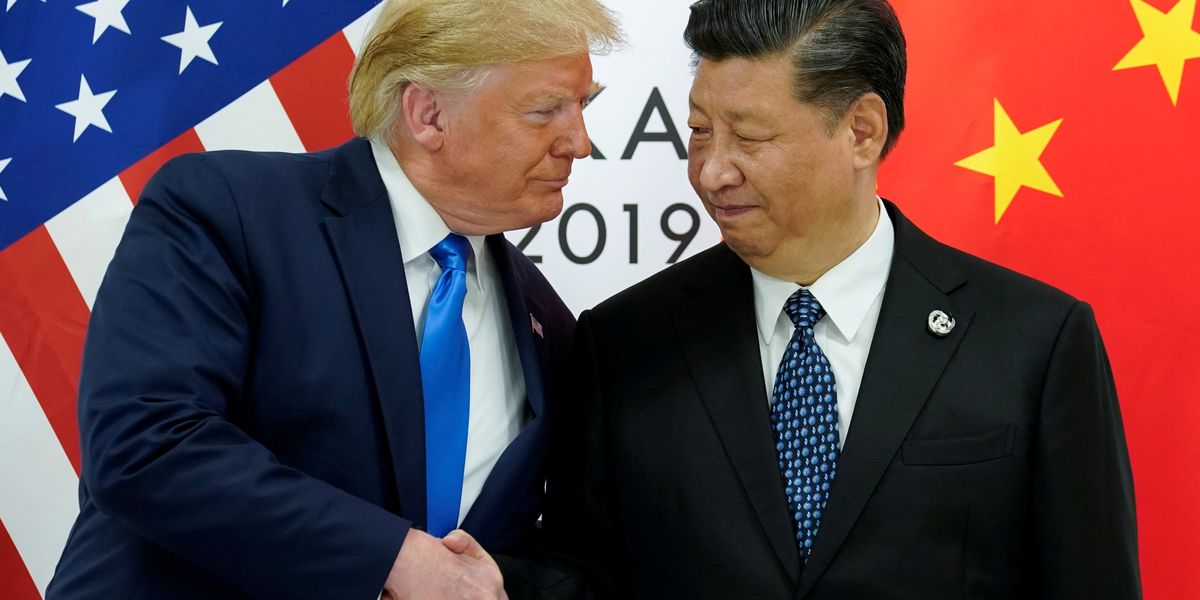
The intricacies of these partnerships highlight an urgent necessity for ongoing dialogue about the secure transfer of technology and the implications of U.S. agreements in a rapidly changing global environment. There are many at stake, from national security implications to the broader ramifications of U.S. technological exports. As the geopolitical landscape shifts, the allied nations and the U.S. must come together to ensure that such partnerships lead to mutual benefits while safeguarding sensitive technologies against adversaries.
In a time where international relations are in flux, it will be imperative for stakeholders to consistently review and adapt policies that govern technological exchanges with allied nations. The outcome of these decisions could define U.S. strategic advantages—or disadvantages—on the global stage.
As the situation evolves, it is essential for policymakers and technology leaders to critically assess the implications of these partnerships and advocate for responsible practices that maintain national security while fostering economic growth. A proactive stance is necessary to ensure that America’s innovations do not inadvertently empower those who may wish to undermine U.S. interests.