Blue Cities Adopt Pride Flags as Official Symbols in Bid to Skirt Red-State Laws
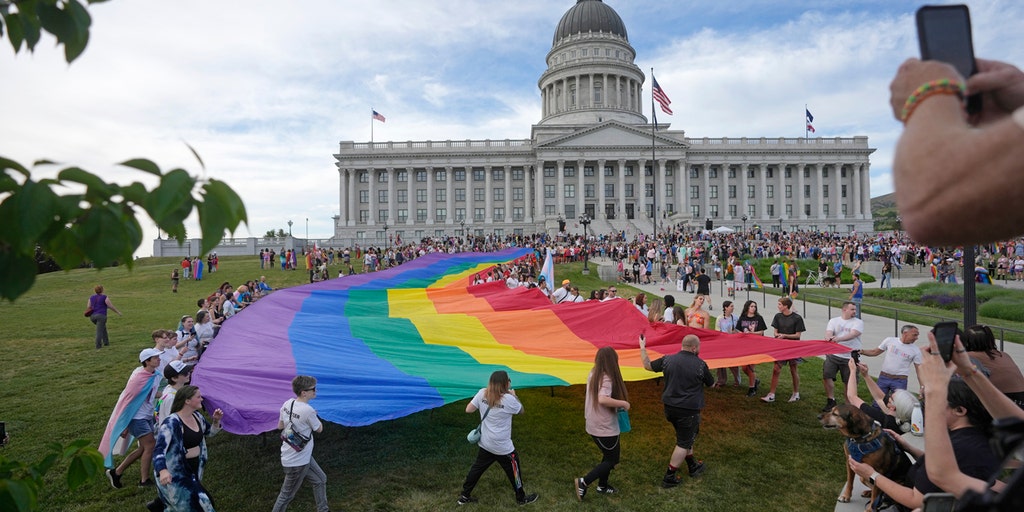
In a bold move to navigate recent restrictions imposed by state laws on flag displays, several blue cities are adopting Pride flags as official symbols. This decision, primarily taken by Democrat-led municipalities, comes as a response to legislative measures in Republican-dominated states that limit the types of flags allowed on government properties.
As states like Utah and Idaho tighten their grip on flag displays, cities such as Salt Lake City and Boise are standing up for inclusivity and representation. These cities are not just marching to the beat of their own drum; they are also setting a precedent for others who wish to assert their values in the face of restrictive regulations.
Understanding State Legislation on Flag Displays
In recent months, both Utah and Idaho have implemented legislation that restricts the types of flags that can be flown on government properties. In Utah, the law stipulates that only the American flag, military flags, and some state flags are permitted to be displayed, which raises questions about freedom of expression and representation. Violators of this law face hefty fines of up to $500 per day, creating a climate where many municipalities are hesitant to express their identity through symbols that represent their values.
Idaho’s legislation shares a similar sentiment, aiming to uphold political neutrality among governmental entities. However, the interpretation of neutrality varies greatly, especially in the context of marginalized communities such as the LGBTQ+ population. Supporters of these laws argue for maintaining a standard, while opponents believe that they lose the essence of what makes the government representative of all its citizens.
Salt Lake City’s Courageous Proclamation

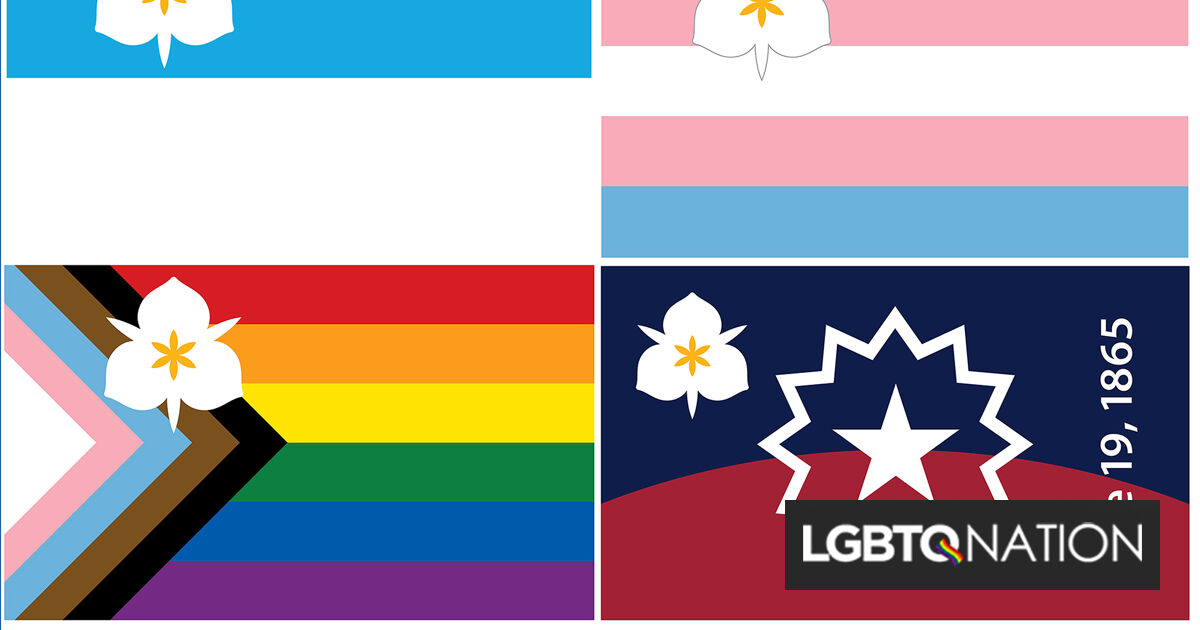
Amidst this backdrop, Salt Lake City has taken a significant step by adopting four new flags as part of its official symbols. These flags include modified versions of the Progress Pride flag and the Transgender Pride flag. Mayor Erin Mendenhall emphasized that the primary goal behind these flags is not to provoke but to honor and represent the diversity of the community. The new flags are intended to symbolize inclusion and recognition for all residents.
The mayor’s decision is a direct reflection of the values held by the city, showcasing a commitment to LGBTQ+ rights and community representation. By embracing these symbols, Salt Lake City aims to foster an environment of acceptance and support, acknowledging the identities and experiences of its residents. This action signifies a stand against the constraints imposed by state legislation, affirming that cities can hold their values even when faced with opposition.
Boise’s Affirmation of Pride

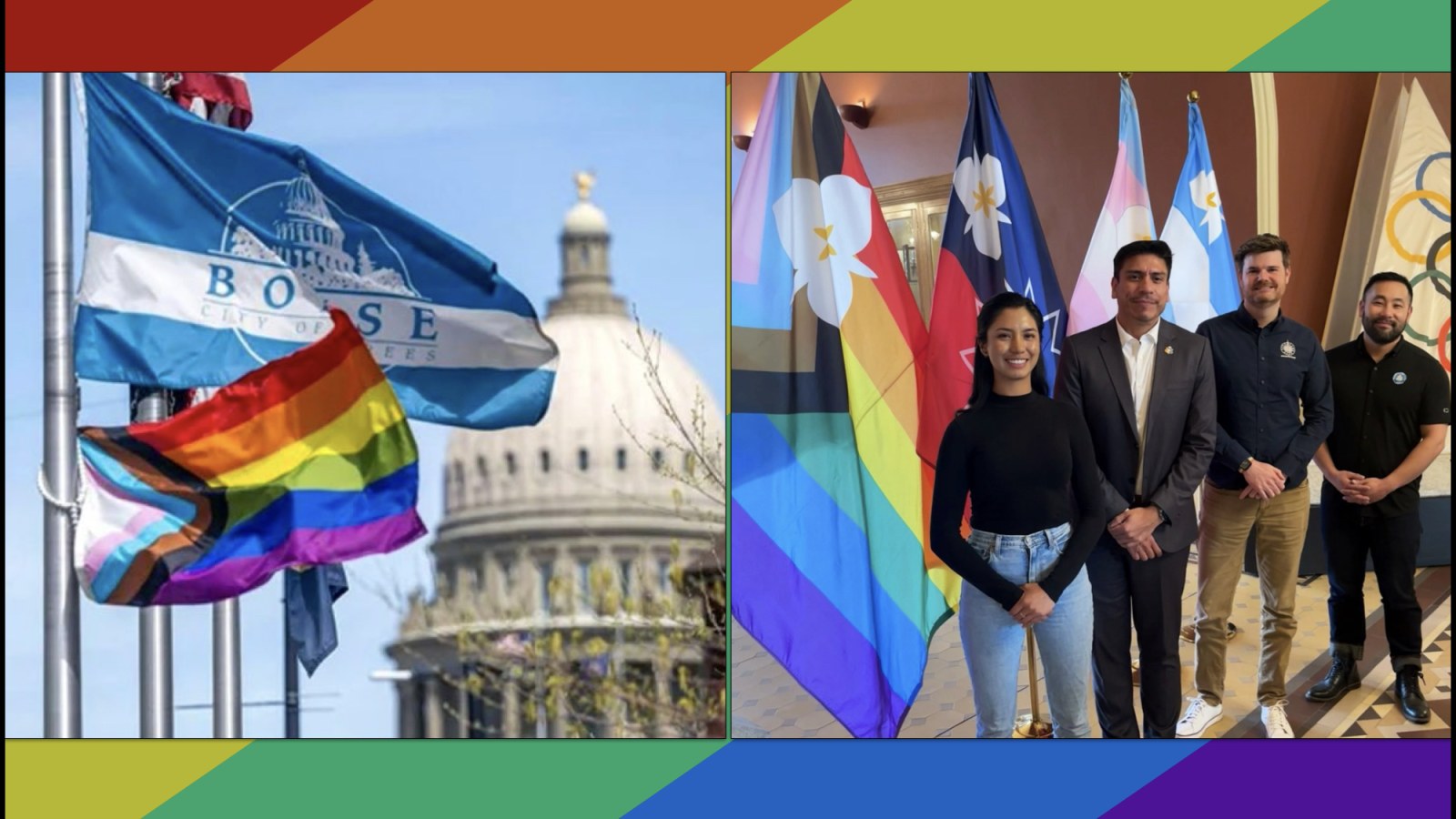
Similarly, Boise is making waves with its bold proclamation by officially designating the Pride flag as a city flag. Mayor Lauren McLean views the recent state law limiting flag displays as “unenforceable,” and has a history of flying the Pride flag over City Hall, reinforcing her commitment to inclusivity. Her actions highlight a broader movement among cities that refuse to be silenced or limited by higher governmental authority. Boise provides a prime example of how local governments can assert their support for the LGBTQ+ community despite legislative limitations.
Both cities are sending a clear message: beyond adhering to state laws, the prioritization of community representation and human rights holds paramount importance. By adopting the Pride flag, they not only celebrate the LGBTQ+ community but also encourage dialogue about what it means to be an inclusive society.
Public Reaction and Ongoing Debate
The adoption of Pride flags in these blue cities has elicited a mixed response from the public and political commentators. Supporters of the legislation limiting flag displays argue that it upholds a sense of decorum and uniformity in government spaces. However, many observers are quick to highlight that a singular narrative often excludes diverse perspectives, particularly those of marginalized groups.
Critics contend that the flag bans enacted by the state signify a broader effort to suppress visibility and representation. This debate reveals the complexities of navigating political neutrality while simultaneously advocating for representation for all groups. Many argue that the flags symbolize more than mere colors; they embody the struggles and achievements of the LGBTQ+ communities that fight for visibility and equality.
A Broader Implication for Local Governance
As cities like Salt Lake City and Boise navigate these turbulent waters, they pave the way for other municipalities grappling with similar challenges. Local governments across the United States are faced with the decision of how to respond to state laws that potentially conflict with their community values and the representation of their constituents. The willingness of these cities to adopt Pride flags as official symbols is a reflection of a growing trend among blue municipalities to affirm their commitment to inclusivity.
In light of recent developments, these blue cities serve as a beacon for necessary change, urging others to consider their stance on representation and inclusivity. The movement helps establish a future where all individuals—regardless of their identity—are celebrated and respected within their community.
Conclusion
The actions taken by Salt Lake City and Boise not only challenge restrictive state laws but also redefine what it means to represent diverse communities at the local level. As more cities consider adopting inclusive symbols like the Pride flag, a significant shift towards greater representation and acceptance can be anticipated. This ongoing dialogue is crucial for fostering an environment where diversity is celebrated. If you are passionate about supporting inclusivity in your local community, consider advocating for similar measures in your own city.