Be Careful! This Spider Will Harm You With Just One Bite.
The brown recluse spider, often referred to as the “violinist spider,” is a small yet potent arachnid known for its danger despite its shy nature. With a body length of approximately 8 mm to 1.5 cm, this spider features a distinct violin-shaped marking on its back, making it identifiable among other species. It typically hides in remote and dark locations, eluding notice until it’s too late. Understanding the characteristics, habitats, and potential effects of a brown recluse bite is vital for anyone living in an area where these spiders are prevalent.
Identifying the Brown Recluse Spider
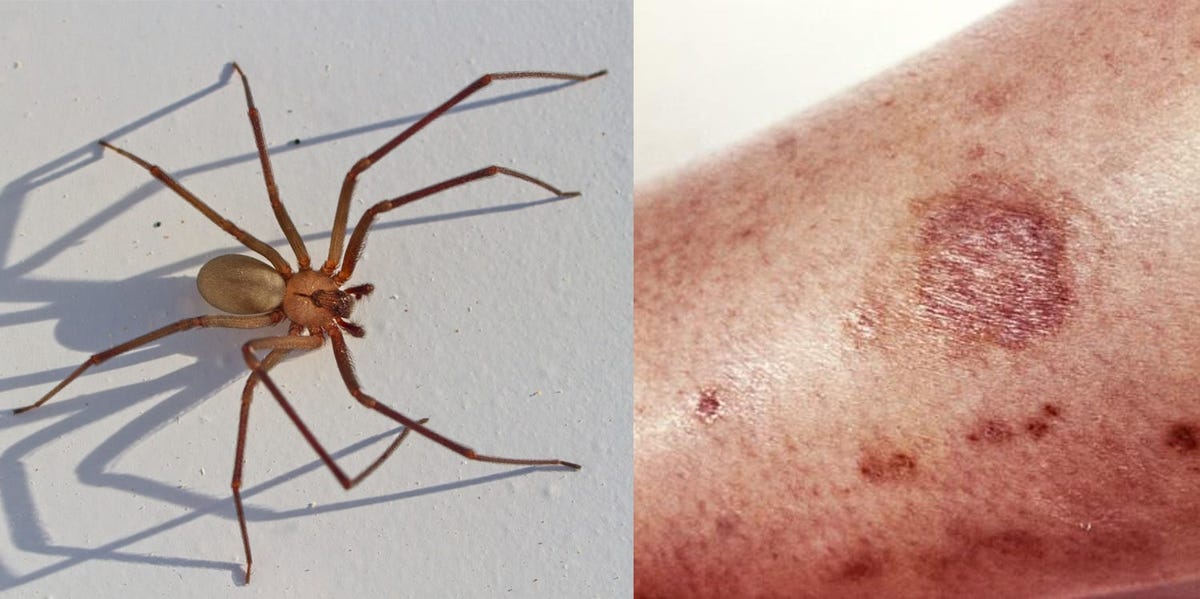
The brown recluse spider can be identified by its unique physical features. Its long legs are slender and can vary in color from yellow-tan to brown. The most striking feature is the dark violin-shaped marking on its back, which points toward its abdomen. Unlike many other spiders, the brown recluse has six eyes arranged in pairs, setting it apart from the typical eight-eyed species. Recognizing these key characteristics can help you stay vigilant and avoid confrontation.
- Color: Yellow-tan to brown.
- Size: 8 mm to 1.5 cm.
- Markings: Distinct violin shape on the back.
- Eyes: Six arranged in pairs.
Understanding the Risks of a Brown Recluse Bite
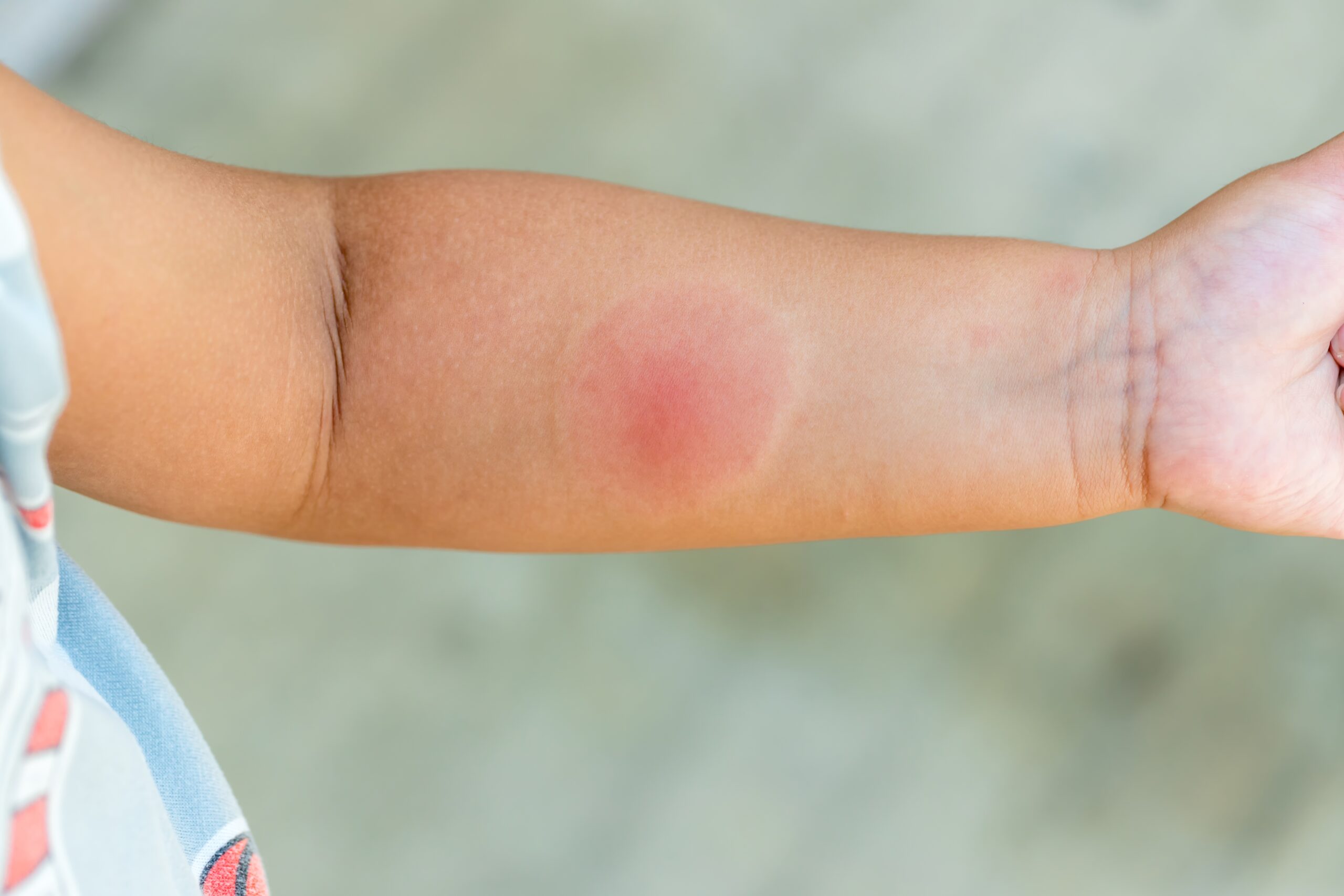
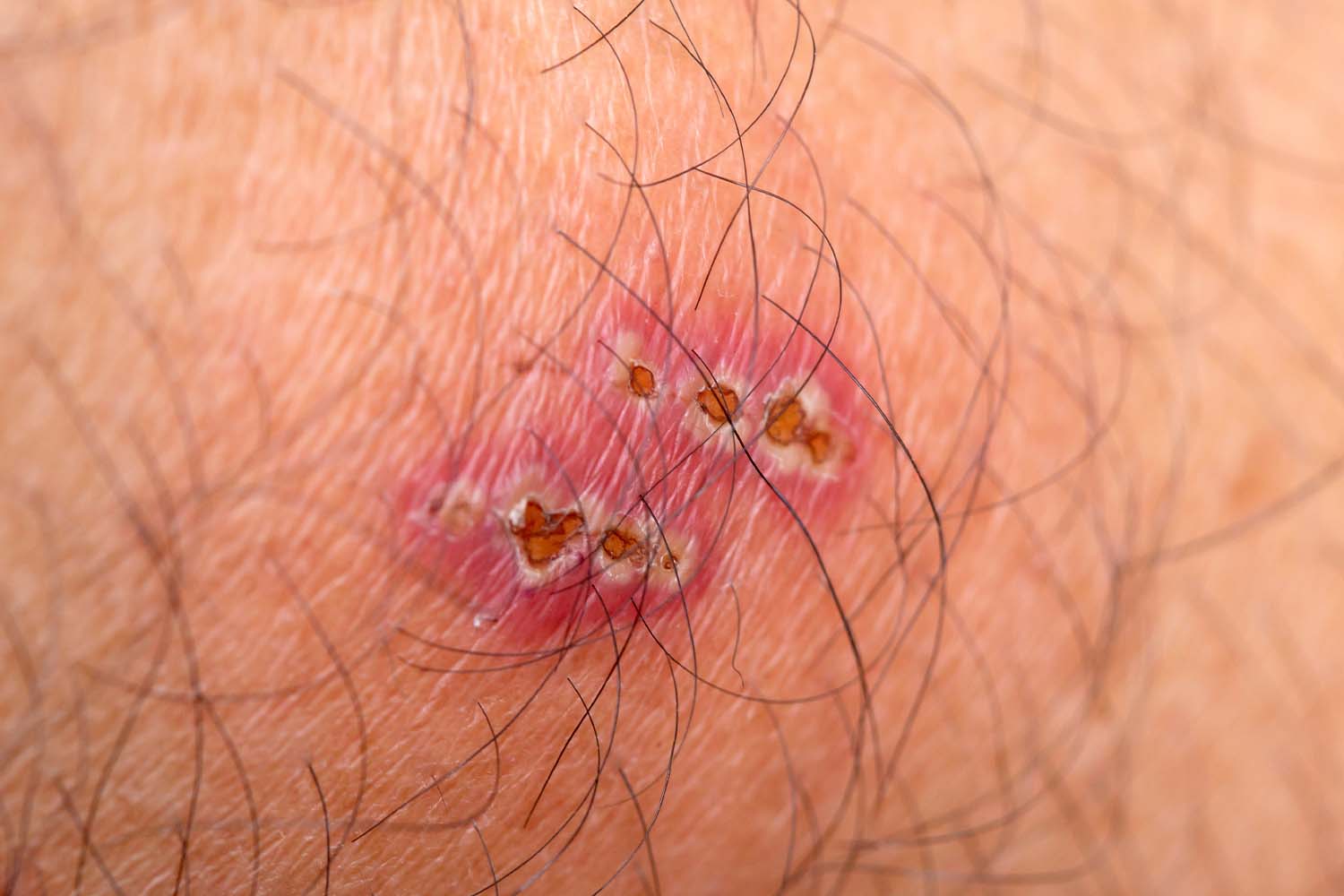
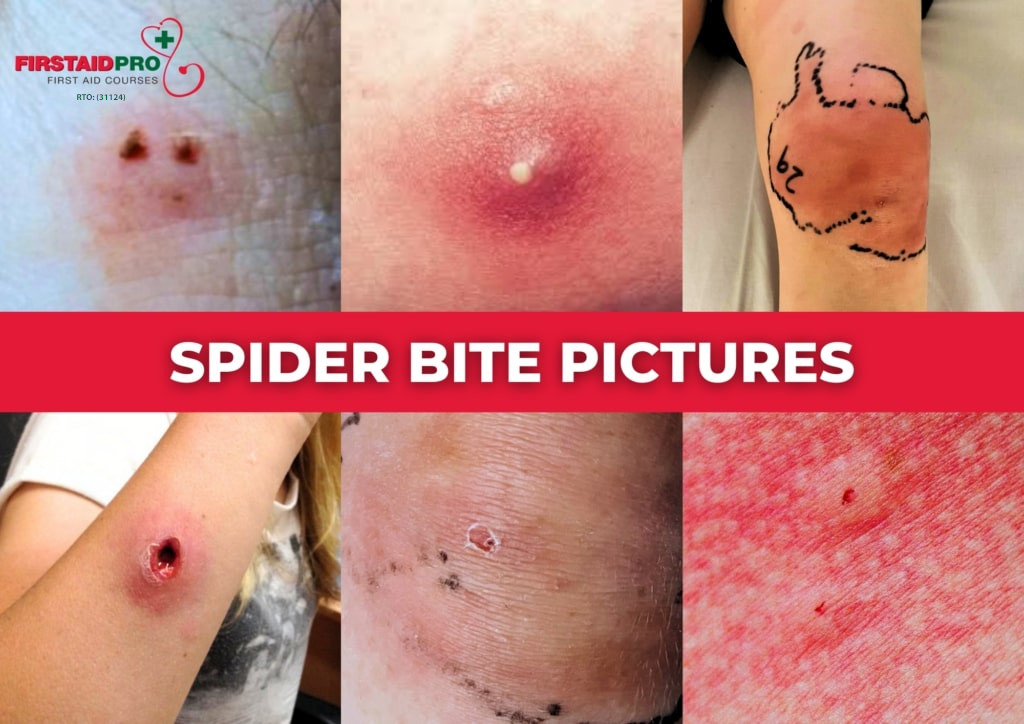
The most alarming aspect of the brown recluse spider is its venomous bite. When provoked or accidentally encountered, the spider may bite, injecting a cytotoxic venom that can wreak havoc on the human body. The venom damages skin cells around the bite area, often leading to necrosis—an accelerated process of cell death that can create painful sores or even whole skin lesions.
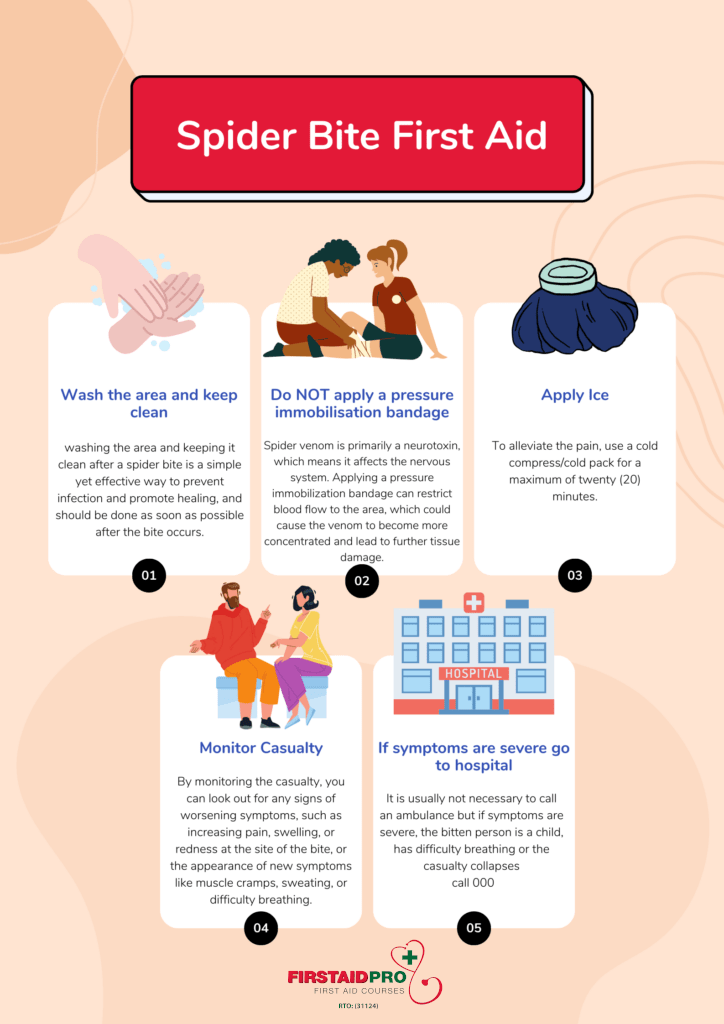
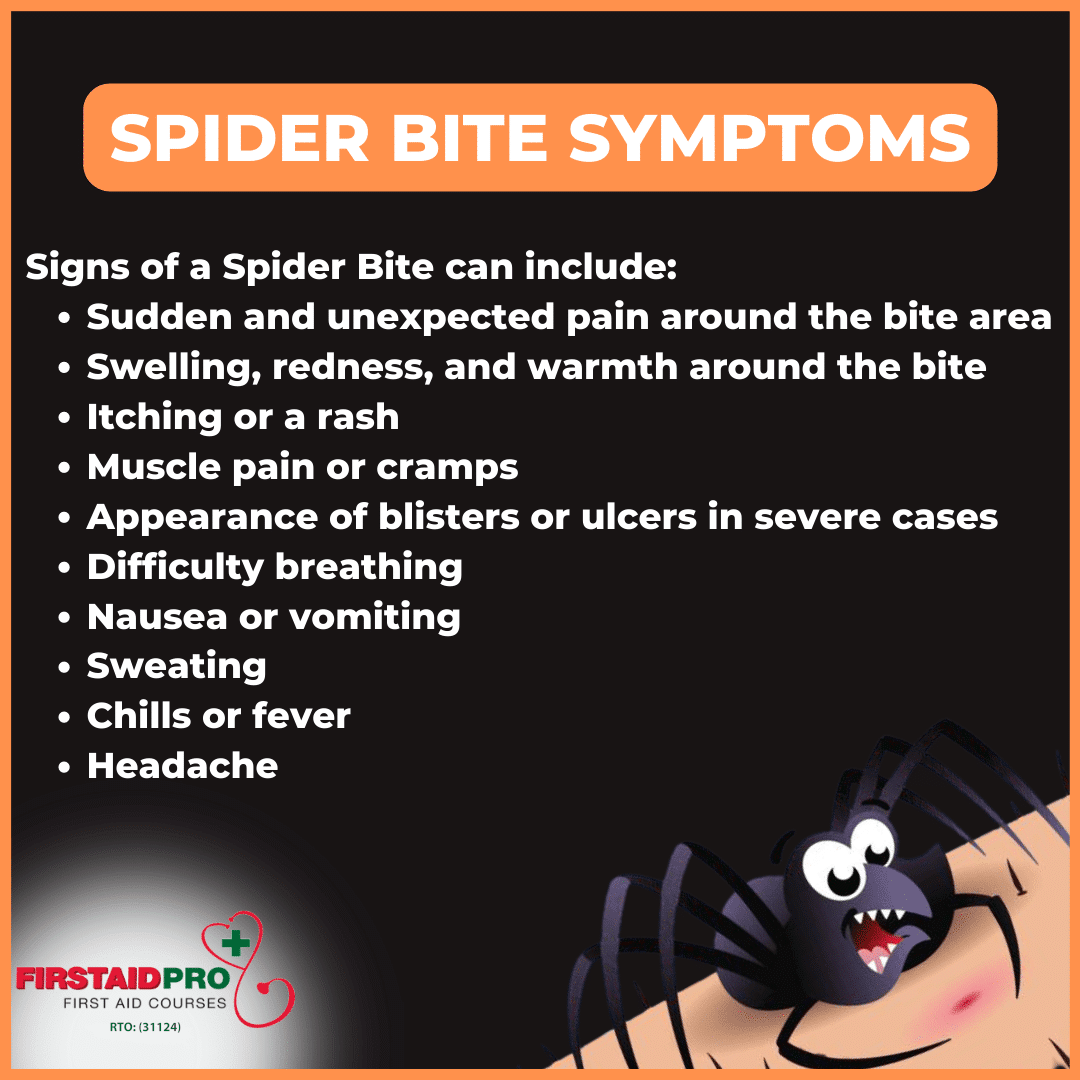
In addition to localized symptoms, individuals bitten by a brown recluse may experience systemic reactions. These may include fever, chills, sweating, and nausea, with more severe reactions occurring in susceptible individuals. Although most brown recluse bites may not require emergency medical treatment, serious cases can result in lasting damage, necessitating medical intervention.
Preventing Brown Recluse Encounters
Given the potential hazards associated with the brown recluse spider, taking proactive steps to prevent encounters is crucial. Here are some practical tips to minimize your chances of a run-in with this dangerous arachnid:
- Keep your home tidy: Regularly clean and declutter areas like basements, attics, and garages where spiders may hide.
- Seal entry points: Inspect your home for cracks and crevices, sealing any openings that could provide entry to spiders.
- Use caution when reaching into dark spaces: Always wear gloves when working in areas where spiders may lurk, like woodpiles or neglected corners.
- Maintain outdoor areas: Trim vegetation and remove any debris that may provide hiding spots for spiders.
Raising awareness about the brown recluse spider and its dangers can help prevent bites. By understanding their habits and habitats, you can take the necessary precautions to protect yourself and your loved ones from this elusive yet harmful creature.
Conclusion
In summary, the brown recluse spider poses a significant danger with its venomous bite capable of causing serious health issues. Awareness, identification, and prevention are key elements in ensuring safety against this spider. Educate yourself, take preventive measures, and stay vigilant, especially if you live in areas where these spiders are known to inhabit. For more information on spider safety and pest control solutions, don’t hesitate to contact a local pest management professional.