Donald Trump Proposes New Name For Veterans Day In Controversial Move

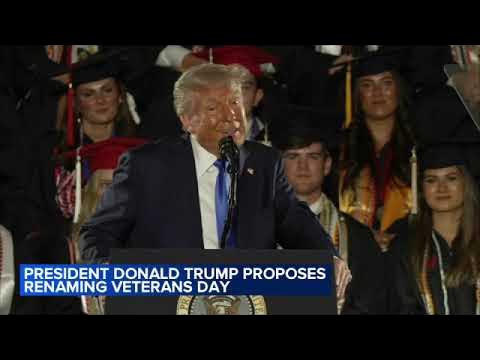
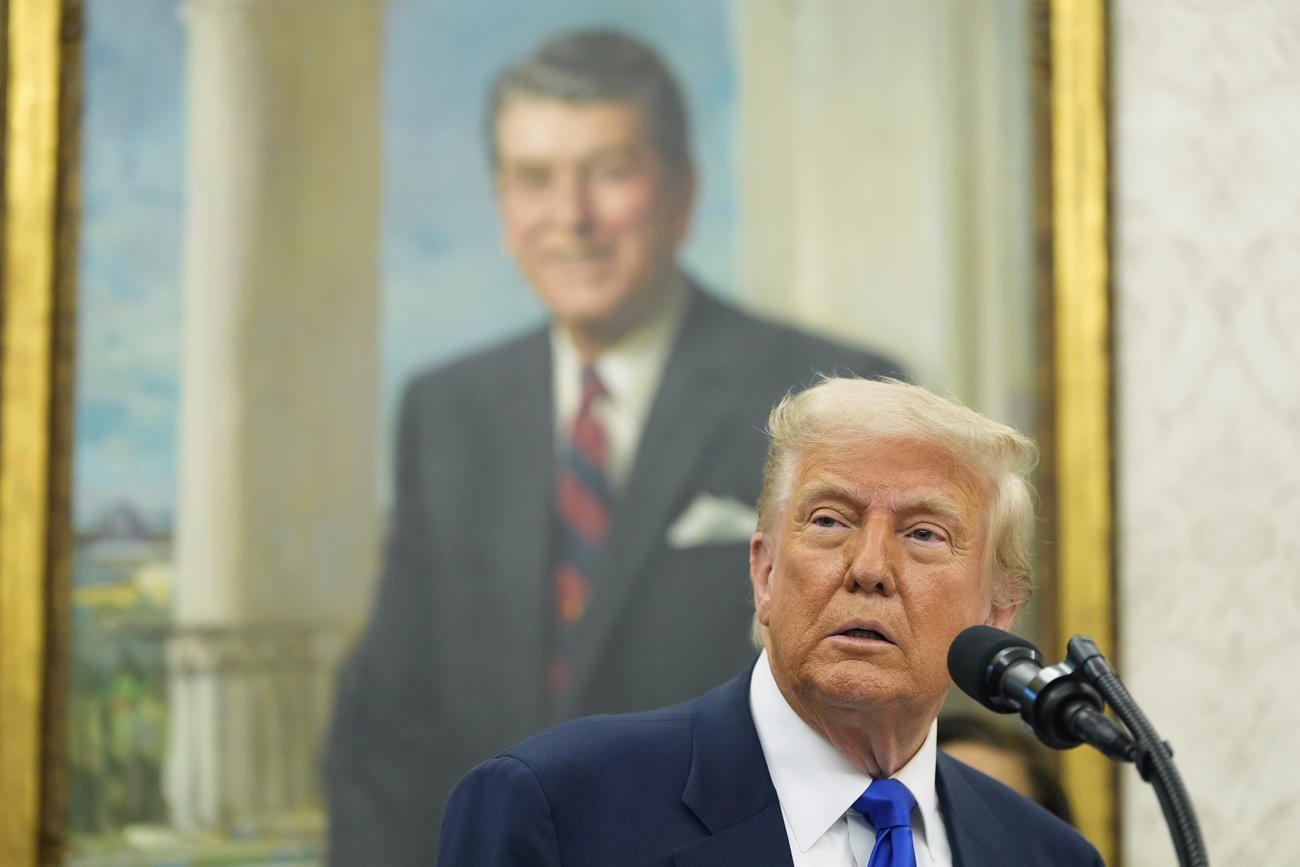
In a bold move that has left many Americans divided, former President Donald Trump recently proposed renaming Veterans Day to “Victory Day for World War I.” This assertion emphasizes his belief that it’s high time America celebrates its military victories. Trump has not stopped there; he has also suggested changing Victory in Europe Day, celebrated on May 8, to “Victory in World War II Day,” underscoring what he claims is a pivotal role of the United States in securing success during the Second World War.
The Historical Context of Veterans Day
Originally known as Armistice Day, Veterans Day was established to commemorate the end of World War I. The day, which falls on November 11, was officially recognized as a federal holiday in the 1960s, expanding its focus from just honoring World War I veterans to recognizing all U.S. service members involved in various conflicts. Throughout the years, Veterans Day has served as a crucial reminder of the sacrifices made by countless individuals who have donned the uniform to defend the nation.
Trump’s remarks have ignited a fierce debate about the appropriateness of altering a holiday rooted in historical significance. Many Americans believe that such a change could undermine the inclusive spirit of Veterans Day, which aims to honor all veterans rather than focusing exclusively on specific wars or victories.
Reactions to Trump’s Proposal

Since Trump’s announcement, intense backlash from veterans, historians, and political commentators has emerged. Critics argue that renaming Veterans Day detracts from the collective appreciation of all service members, regardless of the era they served in. They emphasize that the essence of the holiday lies in honoring the sacrifices of all who have served in the armed forces, rather than celebrating selective victories. This is particularly relevant in the context of ongoing discussions about how to best honor those who have served, especially as the U.S. grapples with the legacy of its military engagements across the globe.
Furthermore, Trump’s suggestion to rename Victory in Europe Day carries with it potential diplomatic ramifications. Countries such as Russia uphold significant traditions linked to WWII through commemorating the sacrifices made by the Soviet Union. Many fear that altering the name of such a day could kindle international contention, especially considering the delicate historical narratives surrounding WWII. The concern is not merely about the name change; it’s about the implications it may have on global relationships.
The Impact on Military Recognition and Broader Discussions
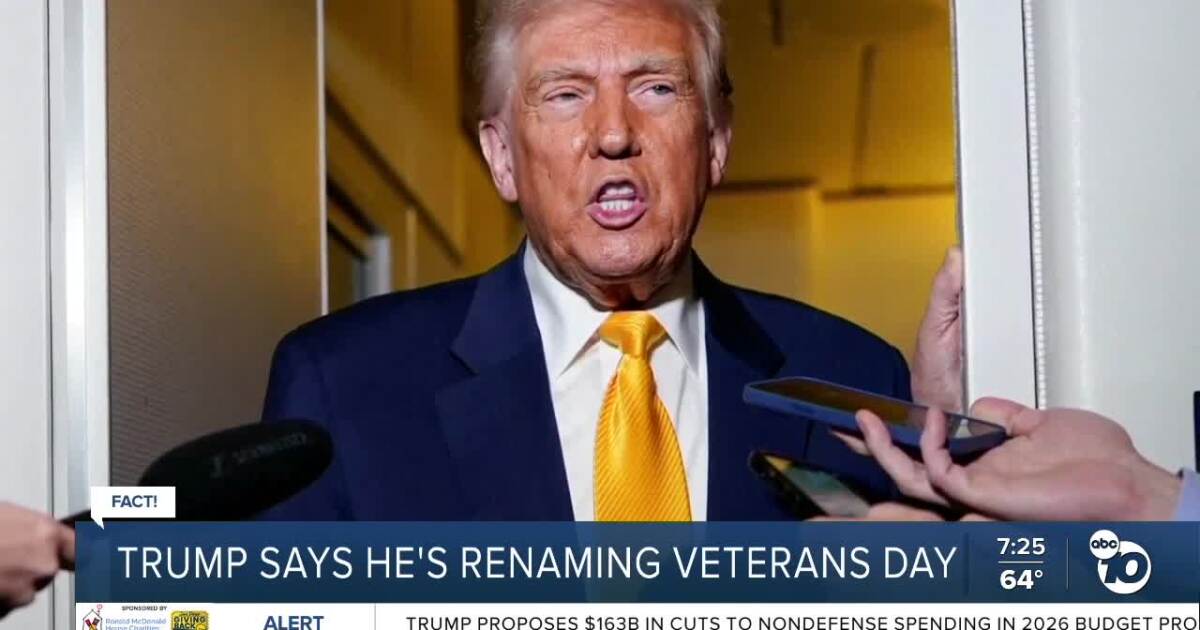
The proposal raises essential questions regarding military recognition in the U.S. and across the globe. It invites a broader dialogue about how nations celebrate their military legacies and the implications of focusing exclusively on victories instead of honoring sacrifices, resilience, and the complex nature of war. Observers point out that a more inclusive recognition of all military veterans is essential for a cohesive understanding of history and its impact on both domestic and international fronts.
As the debate continues to unfold, various organizations representing veterans are expected to weigh in on the matter. Many advocate that the purpose of honoring Veterans Day should remain focused on unity and remembrance, fostering respect for those who have fought for freedom and peace. This ongoing dialogue emphasizes the necessity for careful consideration when re-evaluating the significance of such deeply rooted holidays.
Conclusion
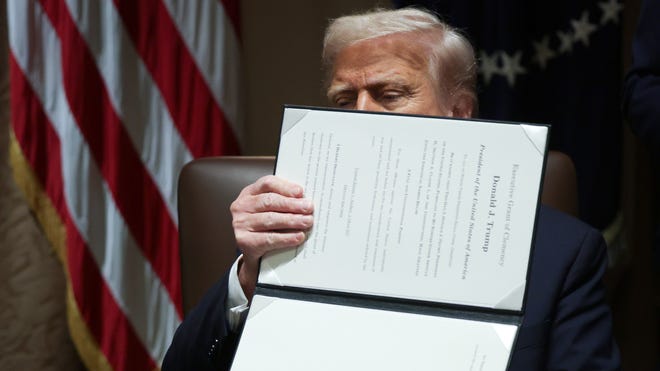
Donald Trump’s proposal to rename Veterans Day and Victory in Europe Day has undeniably opened a Pandora’s box of debate surrounding military recognition and historical integrity. As the discussion progresses, it’s vital for Americans to engage thoughtfully, considering the implications of such changes. For those passionate about preserving the essence of Veterans Day, participating in community events and advocating for inclusive recognition is essential. Honor our veterans not just this November, but year-round.