Donald Trump Proposes New Name For Veterans Day In Controversial Move

In a recent controversial move, former President Donald Trump has suggested renaming Veterans Day to “Victory Day for World War I.” This proposal has sparked considerable debate across various sectors of American society. Trump argues that the time has come for Americans to celebrate their military victories more prominently. In addition to Veterans Day, he recommended changing Victory in Europe Day, celebrated on May 8, to “Victory in World War II Day.” His reasoning posits that the United States played a pivotal role in securing victory during WWII, a historical moment he believes deserves greater commemoration.
The Historical Context of Veterans Day
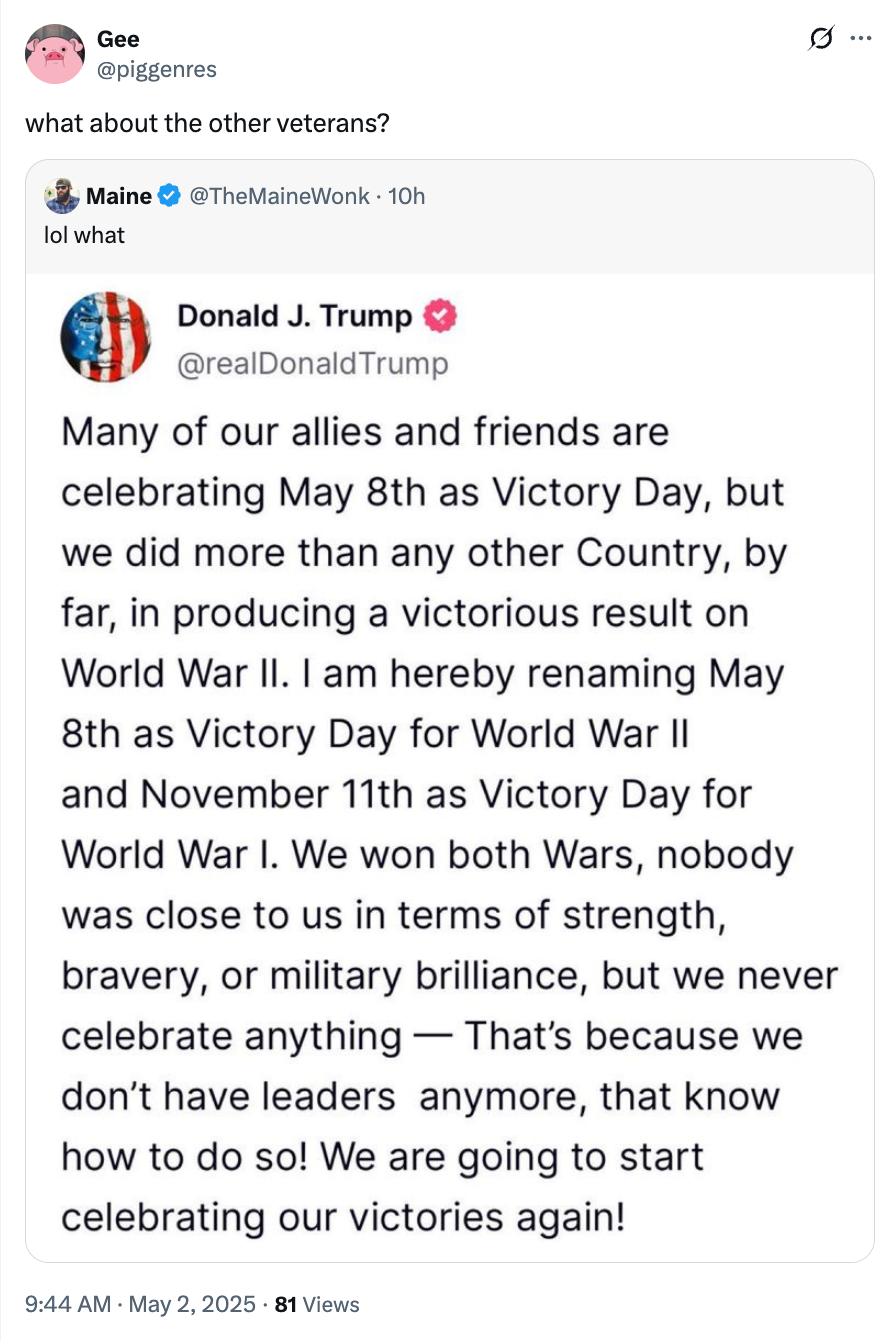
Originally known as Armistice Day, Veterans Day was established in the aftermath of World War I. The aim was to honor and remember the sacrifices made by U.S. service members. In 1954, following World War II and the Korean War, Congress amended the Act of 1938 to establish Veterans Day as a federal holiday that honors all U.S. military veterans—not just those who served in any one particular conflict. The day serves as a solemn remembrance of the service and sacrifice of millions of Americans who served in the armed forces.
Critical Reactions to the Proposal

Trump’s suggestion to rename Veterans Day has triggered significant criticism from various groups and individuals. Many veterans and their families see the proposed changes as an unnecessary alteration to a day steeped in history and meaning. Critics argue that Veterans Day is a time to honor all service members, regardless of which war they fought in or whether they achieved a specific victory. The broader sentiment is that the name change could undermine the day’s purpose and dilute the significance of honoring all veterans equally.
Impact of the Proposal on International Relations
Moreover, Trump’s comments regarding World War II could potentially spark backlash from international figures, particularly those in Russia. The Soviet Union’s significant sacrifices during the war are recognized globally, and any shift that appears to minimize that contribution could strain diplomatic relations. The proposal may be perceived as dismissive of the complex international history surrounding World War II and may lead to criticism from historians and political analysts alike, who articulate that the war’s narrative involves more than just American victory.
Political Repercussions and Public Opinion
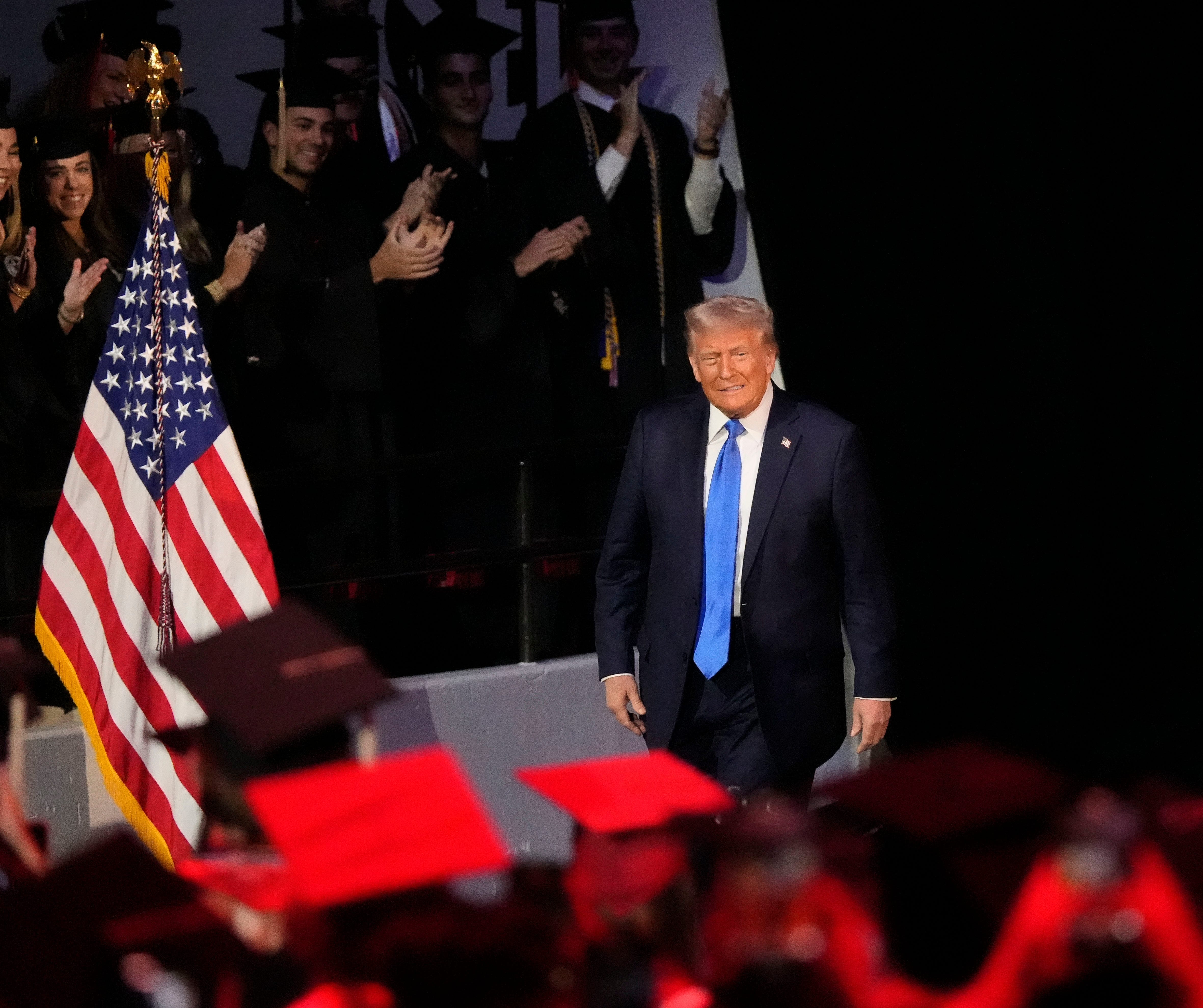
The political ramifications of Trump’s proposal extend beyond historical context. It opens a broader conversation about nationalism, military pride, and the narratives that surround U.S. involvement in global conflicts. Opinion polls may eventually gauge public sentiment on this idea, giving insight into whether the American populace supports such a significant shift in commemoration. Many citizens believe that honoring veterans should transcend political rhetoric and focus on the morality and ethics of military service.
Conclusion

The proposal to rename Veterans Day and the broader implications raise critical questions for the nation. As discussions continue, it’s essential to weigh the historical significance of our holidays against contemporary political agendas. Understanding the past is crucial for framing our present and future interactions with both veterans and global allies. To stay informed on this evolving topic and participate in the conversation, consider sharing your thoughts and keeping abreast of the discussions surrounding veterans and their recognition in America.