Biden Defends Last-Minute Decision to End 2024 Re-Election Bid in First Interview Since Leaving WH: ‘I Don’t Think It Would Have Mattered’

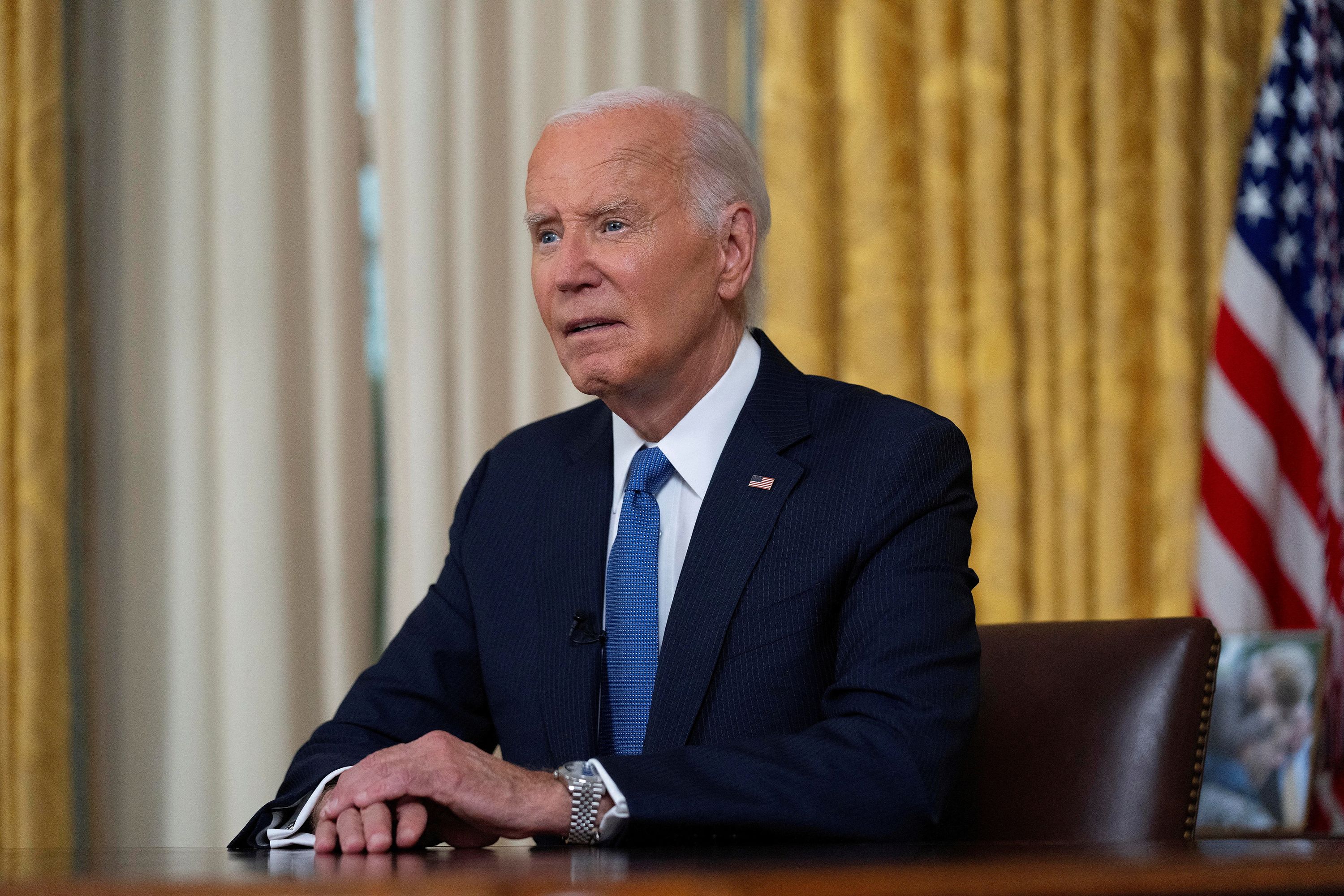
In a recent interview with the BBC, former President Joe Biden opened up about his decision to withdraw from the 2024 presidential race, which he finalized just weeks after a demanding debate against Donald Trump. During this candid conversation, he asserted that this choice, while difficult, would not have altered the outcome of the election. “I don’t think it would have mattered,” Biden stated, highlighting his belief that his departure was the right move amidst turmoil within the Democratic Party following his performance.
Biden’s Reflection on His Campaign Exit

Biden’s exit from the presidential race on July 21 signaled a pivotal moment for the Democratic Party, which faced growing dissatisfaction regarding his leadership. Reflecting on his decision, Biden expressed some regret but pointed out that rising star Kamala Harris, then-Vice President, was poised to take over the campaign with 106 days to prepare. He underscored that having a strong candidate like Harris could combat concerns raised about his administration’s effectiveness.
The former President admitted that it was challenging to step away from what he believed to be a successful agenda, stating, “It made it difficult to walk away.” His commitment to serving just a single term was central to his strategy, as he viewed his presidency as a transitional phase aimed at paving the way for the next generation of leaders. However, he acknowledged that unanticipated challenges, particularly those tied to the political climate, complicated this objective.
The Outcome of Kamala Harris’s Run

Despite the potential Biden saw in Harris, the 2024 election proved to be a tough battleground. Harris became the first Democratic presidential candidate in two decades to lose both the popular vote and the Electoral College, a development that raised further questions about the party’s future. Nevertheless, her campaign demonstrated remarkable fundraising capabilities, reflecting an attempt to galvanize support amid challenging circumstances.
Biden’s comments in the interview suggested a lingering sense of belief in his own capability to have won against Trump, despite contrary polling data. The conversation, timed to coincide with the 80th anniversary of the conclusion of WWII in Europe, saw Biden also reflecting on current political events, particularly the foreign policy challenges faced by the U.S. under Trump’s leadership.
Critiques of Trump and the State of Global Affairs

One of the critical points Biden made in the interview was his critique of Trump’s foreign policy, especially regarding the situation in Ukraine. He condemned any notion of appeasement towards Russia, emphasizing the importance of American leadership in addressing global issues. The former President painted a stark contrast between his philosophies and those of his successor, suggesting that strong U.S. influence is essential in fostering stability worldwide.
As Biden led the discussion, it became evident that his decision to exit the race was carefully weighed against his commitment to the Democratic Party’s future. While he acknowledged his departure could be perceived in various lights, he remained firm that party dynamics played a significant role in shaping those final choices. Biden’s interview served not only as an outlet for his reflections but also as a means to assess the direction of American politics moving forward.
Biden’s insights offered a window into the challenges that the Democratic Party faces as it looks towards future elections, and his belief in the need for strong, principled leadership resonates throughout his comments. As he navigates these complexities post-presidency, the former leader aims to leave the party in capable hands, emphasizing that ultimately, it is about preparing for what lies ahead.
In conclusion, Biden’s commentary sheds light on his significant choices during a turbulent political period, while also advocating for strong leadership in response to the evolving global landscape. For those following the political scene, engaging with these insights is essential as they prepare for future developments in both Democratic strategies and Republican opposition.