DA Willis Ordered To Pay Big Fine For Violations In Trump Case
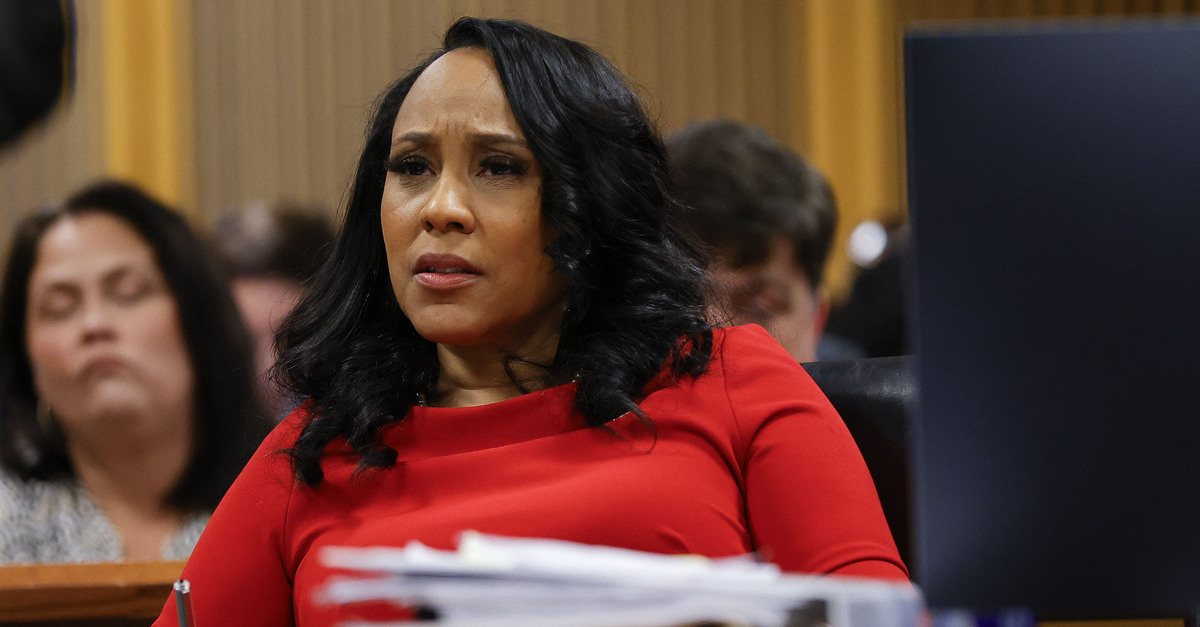
Fulton County District Attorney Fani Willis has recently been mandated to pay over $54,000 in legal fees due to violations of Georgia’s Open Records Act. This ruling emerged from the failure of her office to deliver documents that were requested by Ashleigh Merchant, the attorney representing Michael Roman, one of the co-defendants in the case associated with Donald Trump. In a critical ruling, a judge condemned Willis’s office for exhibiting “open hostility” and a “lack of good faith” in responding to public records requests, raising significant concerns about the transparency of the investigation.
Legal Implications for Open Records Violations

The enforcement of the Open Records Act is crucial for maintaining governmental transparency and ensuring that citizens have access to the information they need regarding public officials and their actions. The judge’s decision to impose hefty legal fees on DA Willis highlights the potential consequences of not adhering to these regulations. Failing to comply with open records requests not only undermines public trust but can also result in severe financial penalties for government officials.
This case illustrates how legal compliance should be a priority in any public office, especially one that handles significant investigations such as the Trump election case. The financial ramifications can be a heavy burden for a district attorney’s office, further complicating the already contentious political environment surrounding high-profile legal proceedings.
Scrutiny Over DA Willis’s Handling of the Trump Case

This financial penalty comes at a time when DA Willis is under immense scrutiny regarding her role in the Trump case. Critics are raising questions about her impartiality and professional conduct, particularly following revelations of a personal relationship with a special prosecutor involved in the case, which has prompted discussions about her potential disqualification from the trial.
Currently, Willis is appealing her disqualification to the Georgia Supreme Court, which will determine whether she can continue to oversee the prosecution. These developments expose the potential controversies that legal representatives in high-stakes cases may face, particularly when personal relationships and professional responsibilities intertwine.
The Broader Impact of This Ruling

The ruling against DA Willis serves as a cautionary tale for public officials across the nation, emphasizing the importance of transparency and accountability in the legal process. Open records laws are designed to promote honest governance and allow citizens to scrutinize governmental actions. By enforcing these laws, courts can ensure that officials operate within the confines of the law, ultimately fostering a more informed public.
Additionally, the repercussions of this case could extend beyond DA Willis. As the Trump case continues to progress, the attention on Willis may influence how other district attorneys manage their cases, especially regarding compliance with public records laws. This situation acts as a reminder that ethical conduct and adherence to legal standards are paramount for maintaining the integrity of the judicial system.
Conclusion

The ruling demanding DA Fani Willis to pay significant legal fees for violating Georgia’s Open Records Act emphasizes the importance of transparency in public office. As the Trump case unfolds, it will be vital for all parties involved to prioritize legal compliance and ethical conduct. For those interested in following the developments of this and other legal matters, stay engaged with reliable news sources to remain informed about the evolving landscape of public accountability and law enforcement. Don’t miss a beat—subscribe to our newsletter for the latest updates on high-profile legal cases and more!