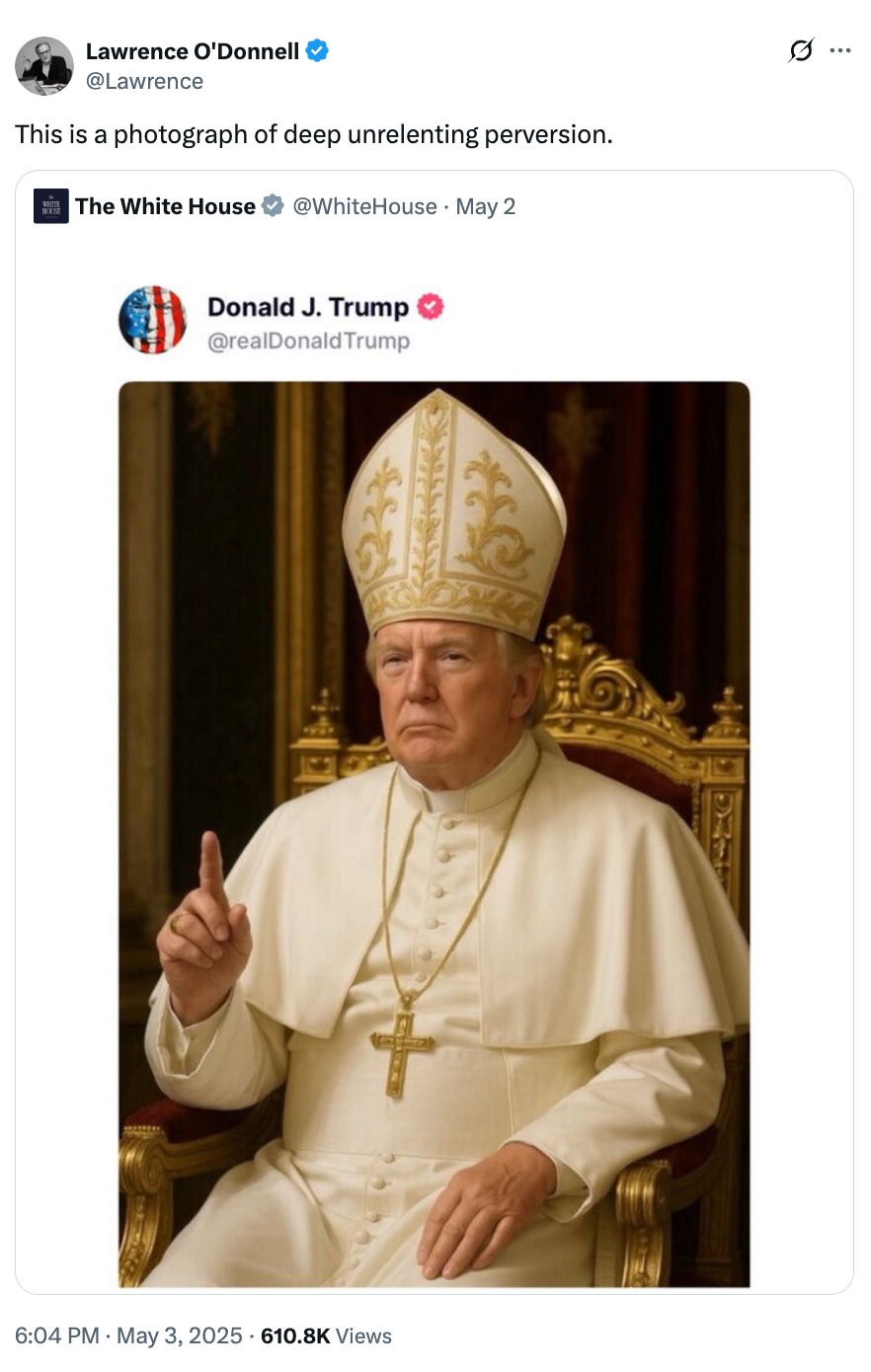
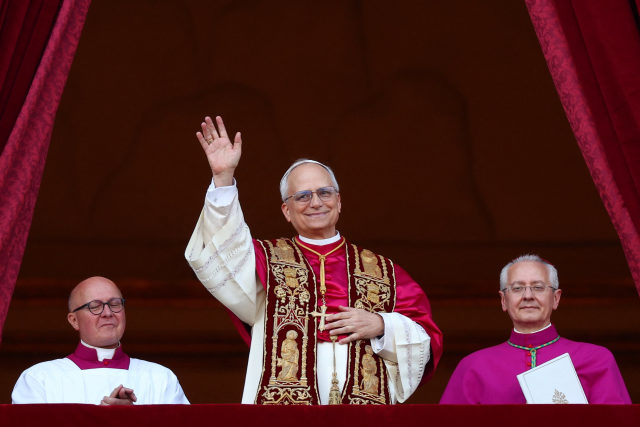
In Pope Leo XIV, Donald Trump Finds a New Foil
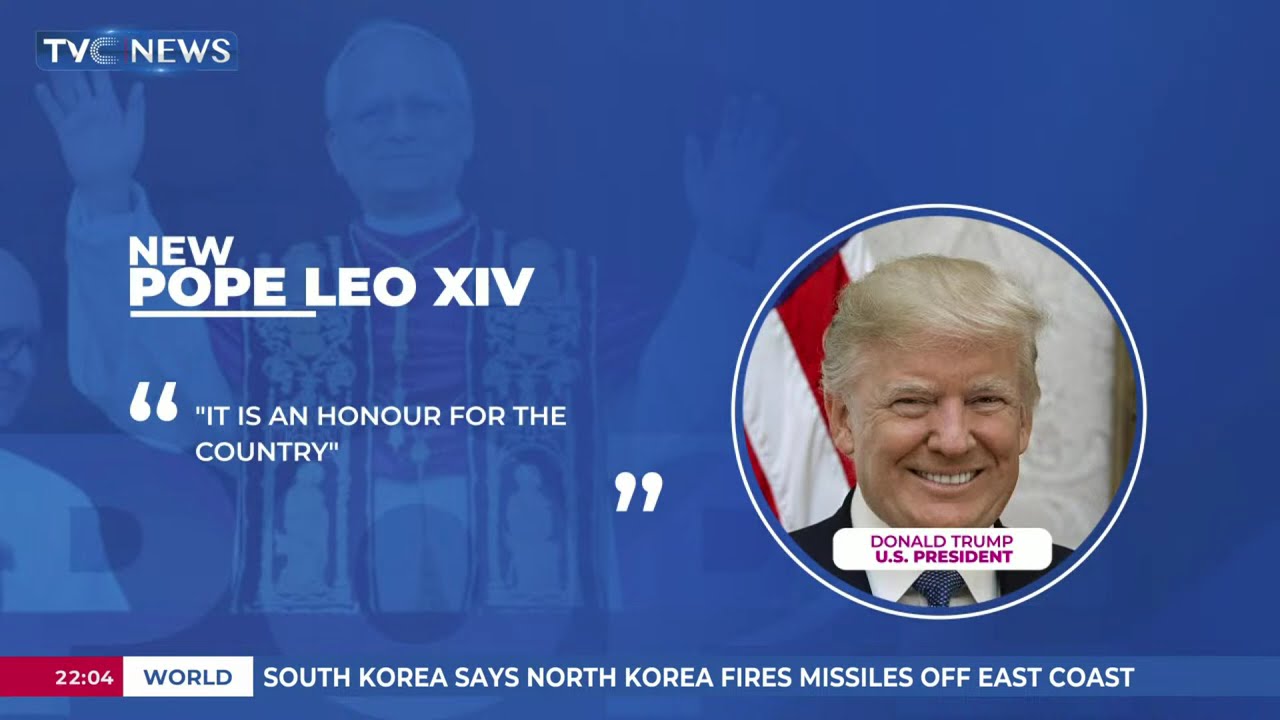
Cardinal Robert Francis Prevost has recently made history by becoming the first American Pope, adopting the name Leo XIV. His election marks a significant potential shift within the Catholic Church, signaling challenges to the conservative, American-style Catholicism that has garnered attention in recent years, particularly in the political arena dominated by figures like former President Donald Trump.
Shifts in Catholic Ideology

Pope Leo XIV’s rise to the papacy represents a rejection of efforts by wealthy American Catholics who envisioned a pontiff aligned with Trump’s political ideologies. Instead, the new Pope embodies a different set of values that contrast sharply with those of Trump, particularly on matters such as immigration, human rights, and environmental concerns.
Pope Leo XIV has been an outspoken advocate for racial justice, climate action, and gun control, taking positions that may lead to tension with Trump’s policies and the broader Republican platform. While Leo maintains traditional Catholic teachings on topics like same-sex marriage and transgender rights, he positions himself to the right of Pope Francis, which complicates how his stance on various social issues may be interpreted. Notably, his history reflects a strong critique of the anti-immigrant sentiment prevalent in Trump’s rhetoric, highlighting a significant ideological divide.
Trump and Leo XIV: A Complex Relationship

As Trump celebrates Leo’s American heritage, a faction of his supporters has voiced skepticism regarding the new Pope’s agenda, labeling him as a “WOKE MARXIST.” This divide illustrates how Leo’s papacy will influence both global politics and the unique dynamics of American Catholicism, a crucial voting bloc in the United States. Trump’s core base often equates traditional values with a particular political ideology, making it imperative for Pope Leo XIV to navigate this landscape delicately.
The differing political and social beliefs between Trump and Pope Leo XIV could shape how American Catholics engage in social and political issues moving forward. The Pope’s progressive stances—especially regarding social justice and environmental stewardship—could challenge the more conservative perspectives held by segments of the Catholic community that align closely with Trump’s vision.
Broader Implications for American Catholicism
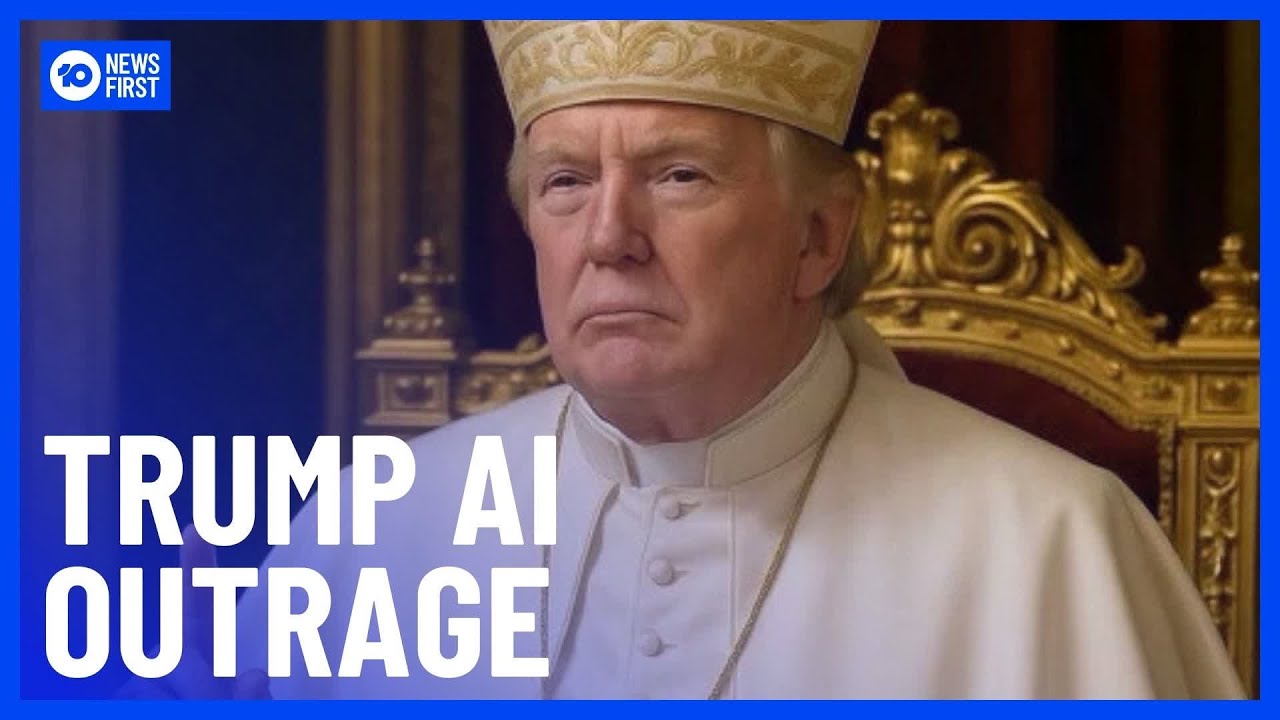
The broader implications of Pope Leo XIV’s election call into question the future of American Catholicism amidst shifting political currents. As American Catholics digest the significance of his selection, there remains speculation regarding whether Leo’s identity as an American was a determining factor in his election or a reflection of his connection to the legacy of Pope Francis, particularly through his experiences in Peru.
The evolving political landscape surrounding the Catholic Church suggests that Pope Leo XIV’s tenure could usher in new discussions about the role of faith in a secular world. Additionally, as the Catholic Church grapples with contemporary societal challenges, Leo may find himself at the forefront, advocating for positions that diverge sharply from the ideologies espoused by Trump.
In conclusion, Pope Leo XIV’s reign presents a unique opportunity for American Catholics to reevaluate their identities and beliefs, especially in light of the conflicting ideologies represented by Trump and the new Pope. The coming years will be pivotal as these dynamics unfold, and individuals are encouraged to consider how these developments may impact their faith and community involvement.