Senate Delivers Bipartisan Rebuke to Trump’s Canadian Tariffs in 51–48 Vote

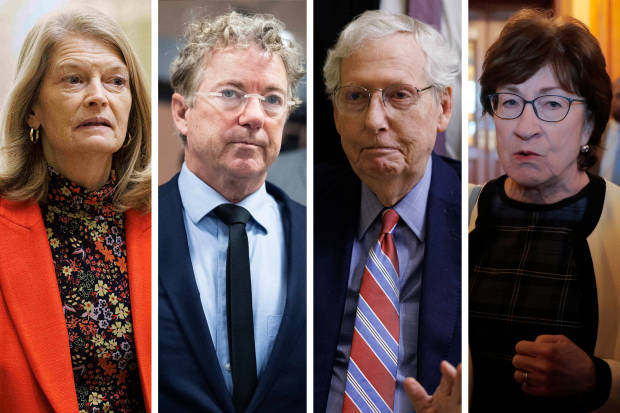
In a notable shift in political dynamics, the U.S. Senate has made headlines by voting 51-48 against President Donald Trump’s proposed 10% tariffs on imports from Canada. This significant resolution drew bipartisan support, with four Republican senators—Rand Paul, Susan Collins, Mitch McConnell, and Lisa Murkowski—joining Democrats to challenge the tariffs. These tariffs were put into effect under a national emergency declaration, citing national security concerns as per Section 232 of the Trade Expansion Act.
The Implications of Tariffs on U.S.-Canada Trade Relations
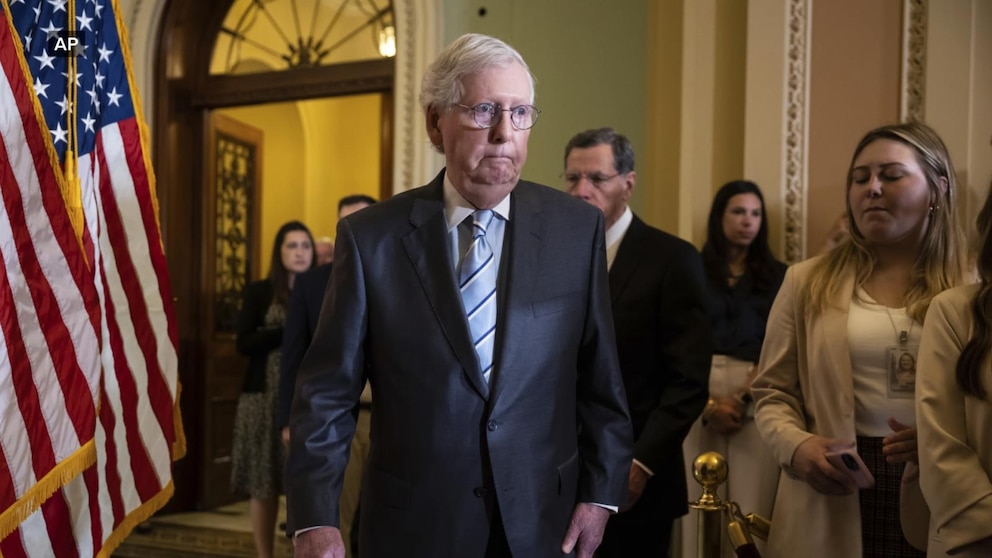
The imposition of tariffs on imports from Canada has raised alarms among various stakeholders, including policymakers, economists, and business leaders. Critics of the tariffs argue that such measures could severely undermine long-standing trade relations between the U.S. and Canada, a vital partner in trade. In 2020, the trade relationship between the two nations was valued at over $615 billion, making Canada one of the largest trading partners of the U.S.
Opponents of the tariffs warn that the additional costs imposed on Canadian imports could lead to increased prices for American consumers and businesses that rely on Canadian goods. Furthermore, they express concerns about the potential retaliation by Canada, which may result in a trade war that could disrupt not only the economies of both countries but also have ripple effects on global markets.
Political Divisions and the Role of Congressional Oversight
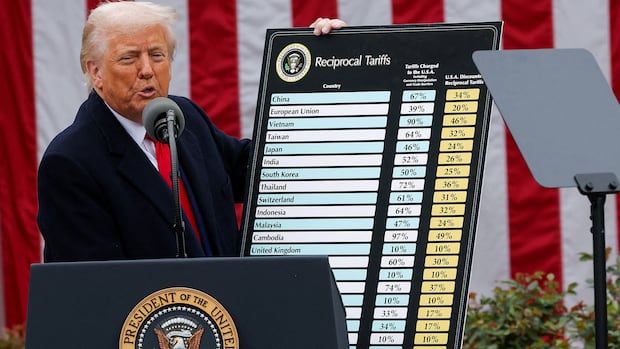
The Senate vote highlights the ongoing divisions within the Republican Party itself, as several senators are willing to defy the President’s approach to trade. The resolution, passed under the Congressional Review Act, signifies a push toward greater congressional authority and oversight over the executive’s power to impose tariffs unilaterally. This raises vital constitutional questions about the balance of power between the legislative and executive branches.
Supporters of the tariffs contend that they are essential for safeguarding American industries, particularly in light of perceived threats from foreign competitors. They argue that protecting domestic production is necessary for national security and economic stability. However, the Senate’s decision indicates that even within the GOP, there is a growing concern regarding the long-term impacts of such economic policies.
The Future Outlook for Tariffs and Trade Relations
While the Senate’s vote represents a significant bipartisan stance against the tariffs, the immediate future involves challenges in the House of Representatives. Given that the House is also Republican-controlled, the resolution’s prospects for passage are uncertain, and it is likely to face a presidential veto should it reach the President’s desk. The implications of such a veto would maintain a contentious atmosphere surrounding U.S.-Canada trade relations and may embolden further retaliatory measures from Canada.
On the heels of the tariff announcement, Canada quickly reacted by proposing retaliatory tariffs, further escalating tensions between the two neighboring countries. This situation not only complicates bilateral relations but also affects industries that depend on seamless trade between Canada and the U.S., such as automotive and agriculture sectors.
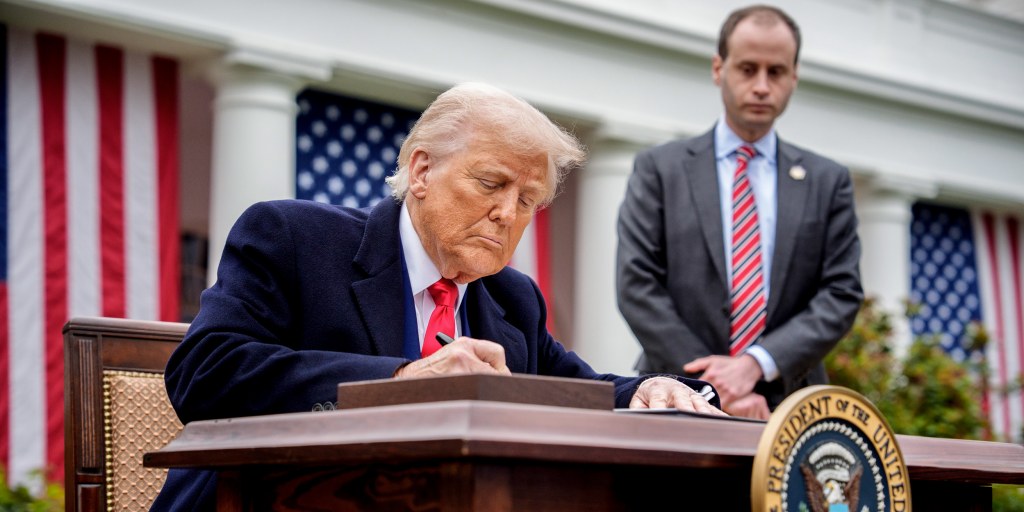
As discussions evolve, the ramifications of this Senate vote are likely to unfold, influencing both domestic policies and international trade landscapes. Observers will closely monitor how lawmakers work through these challenges and whether a compromise can be reached that serves the interests of both nations while maintaining economic stability.
Understanding the intricate dynamics of trade relations and tariff policies remains essential for anyone engaged in business or politics. It is crucial to stay informed about developments on this front and advocate for policies that promote cooperative and beneficial trade agreements.