Senate Delivers Bipartisan Rebuke to Trump’s Canadian Tariffs in 51–48 Vote
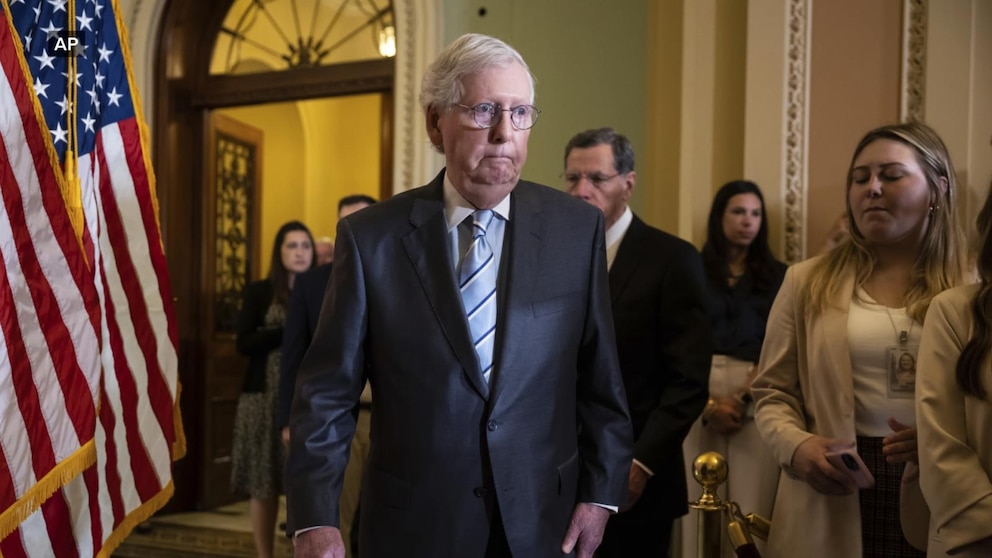
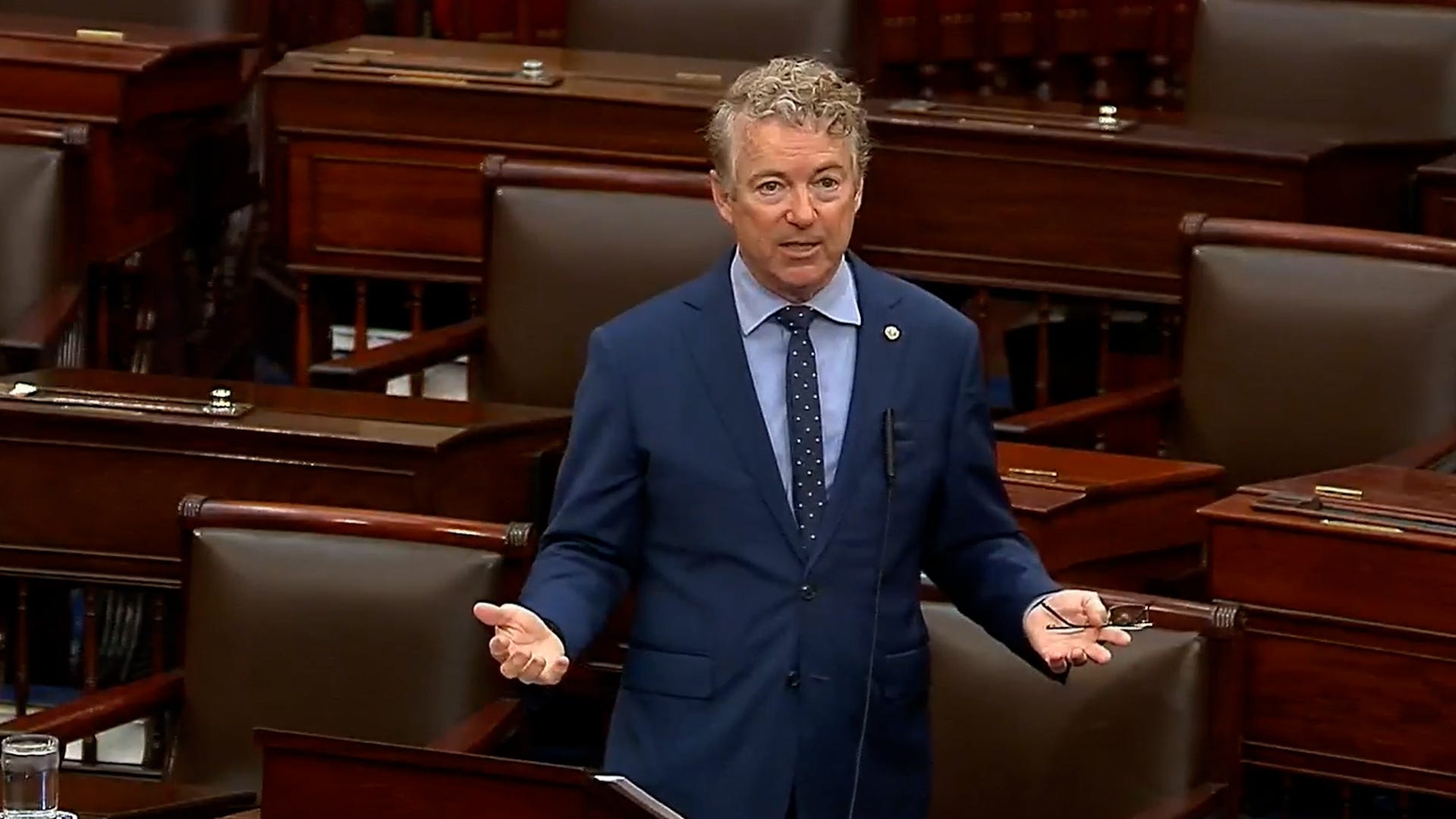
On May 3, 2025, a pivotal decision unfolded in the U.S. Senate as members passed a resolution opposing President Donald Trump’s proposed 10% tariff on imports from Canada. This resolution, which saw a narrow passage with a 51-48 vote, indicates a growing bipartisan aversion to the tariffs that were authorized under a national emergency declaration via Section 232 of the Trade Expansion Act. The vote revealed significant divisions within the Senate while also underscoring concerns regarding executive power over trade regulations.
This bipartisan effort received support from both sides of the aisle, with four Republican senators—Rand Paul, Susan Collins, Mitch McConnell, and Lisa Murkowski—joining Democrats to address the economic implications of the proposed tariffs. Their collaboration exemplifies a rare moment of unity in an increasingly polarized political landscape, demonstrating that trade policy is an area where perspectives can transcend party lines.
The Risks of Imposing Tariffs
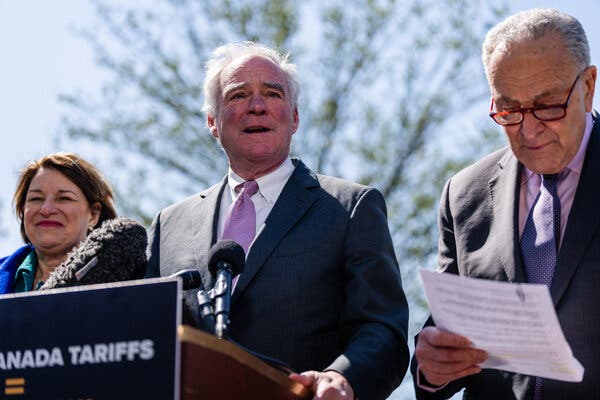
Opponents of the proposed tariff articulated profound concerns about its potential to disrupt long-standing trade relations between the U.S. and Canada. As one of the largest trading partners of the United States, Canada plays an essential role in various U.S. industries, from automotive to agriculture. Economic analysts warn that imposing tariffs could lead to increased costs for American consumers and producers alike, ultimately creating a ripple effect throughout the economy.
- Manufacturers relying on Canadian materials could face heightened production costs.
- Consumers might encounter higher prices for goods and services.
- The agricultural sector risks losing key export markets.

In response to the tariff proposal, many small businesses and industry leaders voiced their dissent. They contend that the tariffs could harm local economies and discourage international trade partnerships. As uncertainties surrounding these tariffs grow, there’s increasing pressure on officials to reevaluate such policies that could hinder economic growth.
Supporting Arguments for Tariff Measures
Despite the backlash, proponents of the tariff defend it as a strategic measure intended to protect American industries from alleged unfair trade practices. Advocates argue that imposing tariffs is a necessary step to level the playing field for domestic producers. By making Canadian imports more expensive, they believe it will bolster American-made products, encouraging consumers to prioritize local goods over foreign alternatives.
However, this protectionist perspective comes with its challenges. Critics assert that the long-term repercussions of tariffs could outweigh any short-term gains. In the global economy, nations are increasingly interconnected, and protectionist measures often stimulate retaliation, leading to a trade war that could have devastating effects.
Congress’s Role in Trade Policy Oversight
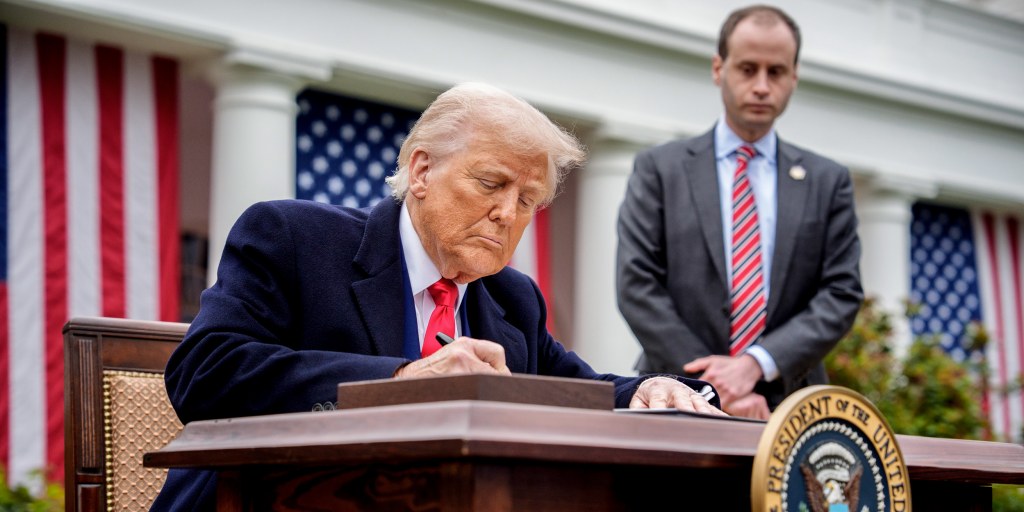
While the resolution passed in the Senate, its impact in the House of Representatives may be limited. With a Republican majority, the likelihood of this resolution gaining traction appears slim. Additionally, it is expected that the president may veto any congressional oppositions regarding these tariffs, centralizing power within the executive branch. Nevertheless, this Senate resolution serves as an important reminder of Congress’s constitutional role in overseeing executive actions related to trade policy.
The assertive stance taken by members of the Senate reinforces the necessity for ongoing dialogue and debate concerning the direction of U.S. trade policy. Lawmakers from both parties continue to urge for a more balanced approach to trade negotiations that does not compromise strategic international relationships.
This growing discourse around tariffs and trade indicates a potential shift in how U.S. lawmakers approach trade policy in the future. Many are advocating for a comprehensive review of existing trade agreements and policy frameworks to ensure they are both equitable and effective. As economic conditions evolve, so too must the mechanisms that govern trade.
As Canada’s government announced retaliatory tariffs in response to the proposed U.S. measures, tensions between the two nations escalated. This regrettable sequence of events highlights the importance of maintaining constructive dialogue in the face of disagreements and striving for solutions that foster mutual economic advantages.
The bipartisan resolution serves as a historical gauge for how trade policies may be navigated in future administrations. Whether lawmakers can find consensus remains to be seen, but it is clear that a comprehensive approach to trade is necessary to safeguard not only American interests but also to preserve the vital relationships with international partners.
Stay informed about the latest developments regarding trade policies and their potential impact on the economy. Engage your representatives to ensure your voice is heard in these crucial decisions that could affect millions of Americans.