Trump Wanted Comedian Deported Over Golf Course Joke

In a memorable episode that blurred the lines between comedy and politics, former President Donald Trump allegedly sought the deportation of comedian Simon Brodkin after a humorous disruption at the Trump Turnberry golf resort in 2016. Known for his comedic persona as Lee Nelson, Brodkin’s antics drew attention not only for their humor but also for raising questions about freedom of expression in political settings.
The Incident at Trump Turnberry

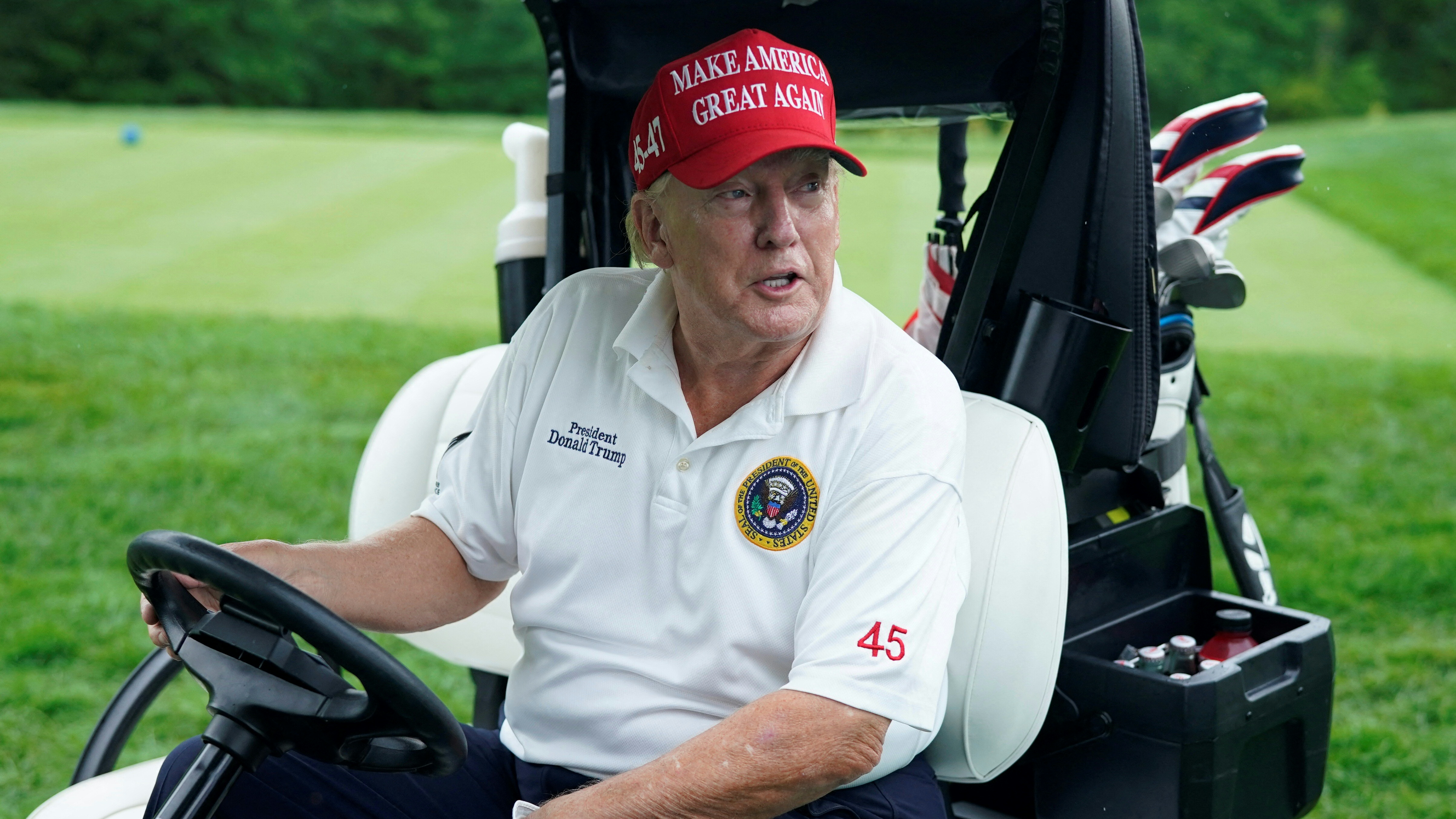
The incident unfolded during a re-opening ceremony for the Trump Turnberry resort in Scotland. As Trump delivered his speech, Brodkin made a splash with a comedic stunt, tossing swastika-decorated golf balls towards the former president and declaring, “Donald, here are the balls you ordered.” This moment of levity turned serious quickly as Brodkin was swiftly escorted out by police, who later placed him under brief detention. The comedian’s boldness in using humor to poke fun at Trump was met with immediate backlash, underscoring the unpredictable dynamics of political events.
Legal Ramifications and Public Reaction

Following the incident, there were whispers that Trump wanted legal repercussions for Brodkin’s actions. The Scottish police, however, opted against pressing charges, resulting in Brodkin being escorted to the airport rather than facing a courtroom. The situation ended with him being sent back to London, which he humorously described as a “great day out” in a police van. His lighthearted take on the situation showcased his ability to handle controversy with a comedic twist, appealing to his fanbase and the general public alike. This incident not only provided laughter but also sparked discussions on the limits of humor in politics.
The Intersection of Comedy and Politics

The event is indicative of a larger phenomenon where comedy interacts with politics, particularly during Trump’s presidency, which was rife with controversy. Brodkin is known for his humorous encounters with powerful figures, which often serve as a form of political critique. This clash of humor against authority serves as a powerful tool for comedians and public figures alike, allowing them to challenge and question the status quo in ways that resonate with audiences. The sharp edge of satire becomes particularly pronounced in politically charged environments, revealing the vulnerabilities of those in power and providing a platform for public discourse.
More than just an amusing anecdote, Brodkin’s stunt at Trump Turnberry highlights how comedy can confront authority and influence public perception. The interplay between figures like Trump and comedians like Brodkin contributes to a cultural dialogue where humor not only entertains but also critiques societal and political norms. This particular incident serves as an example of how comedians utilize their platforms to address serious issues through laughter, creating moments that resonate long after the initial shock has faded.
As we reflect on the intersection of comedy and politics through incidents like these, it becomes clear that humor will continue to play a vital role in shaping public opinion and challenging those in power. For anyone interested in the dynamics of political satire and the ongoing conversation about freedom of expression, following these comedic disruptions can provide valuable insights.
Want to stay updated on the latest in political satire and comedic commentary? Subscribe to our newsletter for more stories that blend humor with the intricate world of politics.